
Do Heat Pumps Freeze? Omaha Homeowner Answers
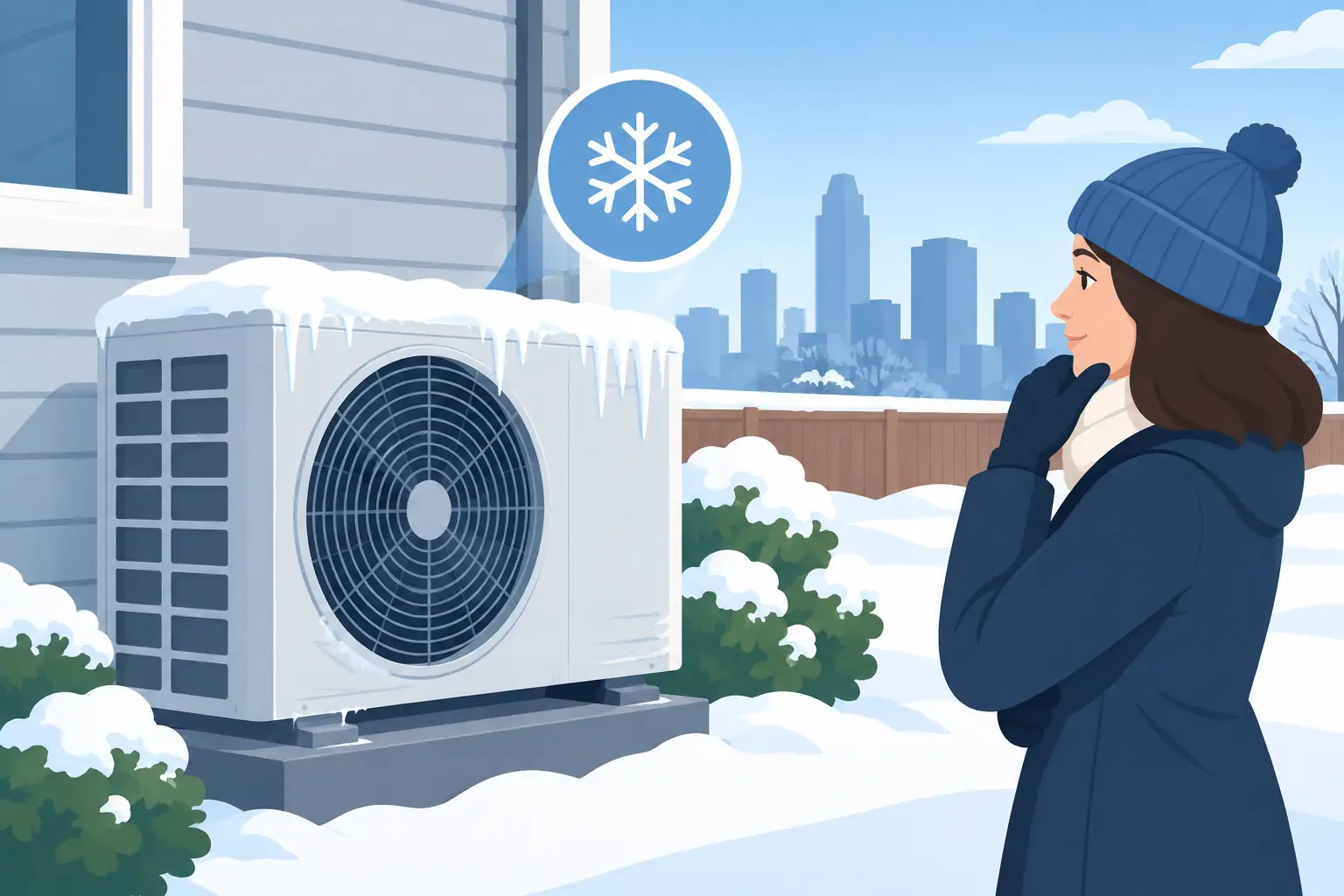
A heat pump running on a cold Omaha morning may have a light coating of frost on its outdoor coil. That can look alarming, especially when temperatures stay below freezing for days. So, do heat pumps freeze? They can develop frost and ice, but a properly working system is designed to remove normal frost through a defrost cycle. Thick, persistent ice is different. That is usually a sign the system needs attention.
Heat pumps work hard during Nebraska winters. Instead of creating heat by burning fuel, they move available heat from outdoor air into your home. Even cold air contains some heat energy. As the outdoor coil pulls that energy from the air, moisture can collect and freeze on the coil.
Do Heat Pumps Freeze During Normal Operation?
Yes, a small amount of frost can be normal. On a cold, humid day, the outdoor unit may look white or frosty while it is heating your home. The system should periodically switch into defrost mode to melt that frost before it becomes a problem.
During a defrost cycle, the heat pump temporarily reverses operation and sends heat to the outdoor coil. You may see steam rising from the unit, hear a change in sound, or notice water dripping underneath it afterward. Those are usually normal signs that the system is doing its job.
Inside, auxiliary heat may come on briefly during defrost mode so the air from your vents stays comfortable. Depending on your thermostat, you might see an indicator such as “AUX HEAT.” That does not automatically mean something is wrong. It means the system is using backup heat to support comfort while the outdoor unit defrosts.
The concern starts when frost does not clear. If the outdoor unit is covered in solid ice, its fan is blocked, or the system runs continuously without keeping the house warm, it is time for a professional diagnosis.
What a Frozen Heat Pump Looks Like
There is a difference between a frosty coil and a frozen heat pump. A normal frost layer is usually thin and temporary. Problem ice tends to build up around the coil, fan guard, base of the unit, or refrigerant lines. It may turn the entire outdoor unit into a block of ice.
You may also notice colder air from the vents, uneven temperatures between rooms, rising electric bills, or a heat pump that seems to run without catching up. In some cases, the outdoor fan may stop or make unusual noises because ice is interfering with it.
If your home is still warm and the frost disappears after a defrost cycle, keep an eye on it. If the ice remains for hours or returns quickly after defrosting, do not assume it will fix itself. Continuing to operate a badly iced-up unit can strain components and leave you relying heavily on expensive backup heat.
Why Heat Pumps Ice Up
A frozen outdoor unit is not always caused by extreme cold alone. Omaha winters are demanding, but a heat pump in good condition should be able to manage normal frost. Several issues can interfere with defrosting or airflow.
A defrost system problem
The defrost control board, sensor, thermostat, or reversing valve tells the heat pump when to enter defrost mode. If one of those parts is not working correctly, the system may not defrost when it should. The coil then collects more frost until airflow is restricted.
Restricted airflow around the outdoor unit
Snow drifts, leaves, plastic covers, stored items, and packed debris can block airflow through the outdoor coil. Ice can build faster when the unit cannot move air freely. A clogged indoor air filter can also affect overall system performance, although it is not usually the only reason an outdoor unit freezes.
Drainage trouble
Water from defrost cycles needs somewhere to go. If the base pan or drain openings are blocked by dirt, ice, or debris, melted water can refreeze around the bottom of the unit. Over time, that ice can interfere with the fan or trap more moisture around the coil.
Low refrigerant or a refrigerant leak
Low refrigerant changes the pressures and temperatures inside the system. That can cause abnormal icing and reduced heating performance. Refrigerant is not something that gets “used up” during normal operation. If levels are low, there may be a leak that needs to be found and repaired before refrigerant is added.
Fan or coil problems
A failing outdoor fan motor, dirty coil, damaged fan blade, or electrical issue can reduce airflow enough to cause ice buildup. These problems are not always obvious from the outside, which is why a service visit should include more than simply melting the ice.
What You Can Safely Do Before Calling
If your heat pump is frozen, start with simple, safe checks. Make sure snow, leaves, and loose debris are cleared from around the outdoor unit. Keep at least a couple of feet of open space around it so air can circulate. If snow is piled against the unit, gently brush it away without bending the coil fins or hitting refrigerant lines.
Check your indoor air filter. A heavily clogged filter should be replaced with the correct size and type for your system. Then confirm that supply and return vents inside the home are open and not blocked by furniture, rugs, or boxes.
If the unit is encased in heavy ice, turn the heat pump off at the thermostat and use emergency heat or auxiliary heat if your system has that option. This can protect the outdoor unit while you arrange service. If you do not know whether your thermostat has an emergency heat setting, do not keep changing settings at random. Set the thermostat to a steady, reasonable temperature and call for help.
Do not chip ice off with a screwdriver, hammer, shovel, or sharp tool. Heat-pump coils and refrigerant lines are easy to damage, and a puncture can turn a repairable issue into a much larger one. Do not pour hot water over the unit either. The rapid temperature change can damage components, and the water may simply refreeze around the base.
Avoid placing a tarp or solid cover over a heat pump while it is operating. The unit needs airflow. Covers can trap moisture and make icing worse. A properly installed winter top cover may keep falling leaves out during the off-season, but it should not be used over a running heat pump.
When Frozen Heat Pump Service Cannot Wait
Call for service promptly if the outdoor fan is not turning, the unit is making grinding or buzzing noises, a breaker keeps tripping, or ice has covered most of the unit. You should also call if the heat pump cannot maintain temperature, has been stuck in defrost mode, or is relying on auxiliary heat for long stretches.
For rental-property owners and managers, an iced heat pump deserves quick attention even if the tenant still has some heat. What starts as reduced efficiency can become a no-heat call during a cold snap. Early repair helps protect the equipment, manage tenant expectations, and avoid a more disruptive emergency later.
At Midlands Heating & Air, our licensed Omaha technicians diagnose why the ice formed rather than just clearing it away. That means checking the defrost operation, airflow, refrigerant performance, electrical components, and drainage, then explaining the repair options with upfront pricing and no pressure.
Can Maintenance Help Prevent Heat Pump Freezing?
Regular maintenance cannot prevent every frosting event, because frost is part of normal winter heat-pump operation. It can, however, catch the conditions that let normal frost become damaging ice. A heating-season checkup gives a technician the chance to inspect the coil, fan, electrical connections, defrost controls, refrigerant operation, and general condition of the outdoor unit.
Homeowners can help between visits by replacing filters on schedule, keeping the area around the unit clear, and paying attention to changes in noise or performance. It is also wise to avoid large thermostat setbacks during severe cold. A heat pump usually runs most efficiently at a steady indoor temperature. Dropping the setting dramatically overnight may force it to use more auxiliary heat while recovering in the morning.
A cold-weather heat pump does not have to be a mystery. A little frost, steam during defrost, and occasional auxiliary heat are often normal. Thick ice, weak heat, or repeated defrost trouble are your signal to get the system checked before the next Omaha cold front turns a manageable repair into an urgent one.
[addtoany]RELAX! We offer flexible financing options!
