
Air Conditioner Repair Omaha Homeowners Can Trust
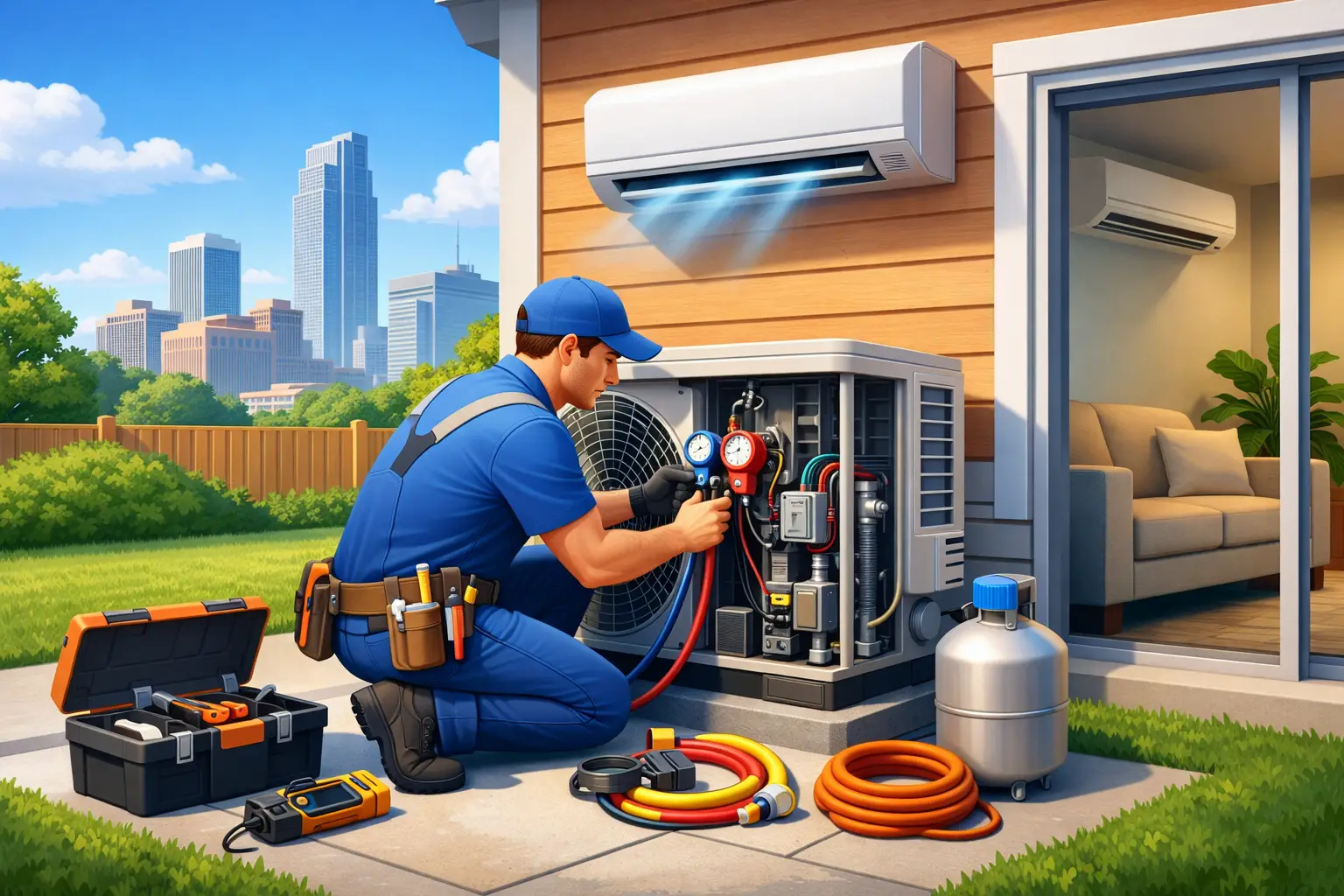
A July afternoon in Omaha can turn uncomfortable fast when the AC quits. One minute the house feels normal. The next, vents are blowing warm air, the thermostat keeps climbing, and everyone is looking for a place to cool down. When you need air conditioner repair Omaha homeowners can rely on, the goal is simple: find the actual problem, explain the options clearly, and restore comfort without wasting time or pushing a replacement you do not need.
Some cooling problems can wait for a scheduled visit. Others should be addressed right away, especially when there are young children, older adults, pets, tenants, customers, or temperature-sensitive equipment in the building. Knowing the difference can help you protect your comfort, your system, and your budget.
Signs Your Air Conditioner Needs Repair
An air conditioner rarely fails without giving some warning. It may still run, but run longer than usual. It may cool only part of the home. It may make a noise you have never heard before. Paying attention early can turn a manageable repair into a shorter service call instead of a mid-heat-wave emergency.
Warm air from the vents is one of the clearest signs that something is wrong. The cause could be as straightforward as a dirty filter restricting airflow, but it can also point to a refrigerant issue, a failed capacitor, a compressor problem, or trouble with the outdoor unit. A technician needs to test the system rather than guess, because several different issues can create the same symptom.
Weak airflow deserves attention, too. If the air feels cool but barely reaches rooms at the end of the house, the issue may involve a clogged filter, blower motor, ductwork, evaporator coil, or a system that is struggling to keep up. Closing vents throughout the house is not a reliable fix and can create additional airflow problems. Start with a clean filter and professional diagnosis if the problem continues.
Other warning signs include frequent cycling, rising energy bills, water around the indoor unit, ice on refrigerant lines, unusual odors, rattling, buzzing, or grinding sounds. A thermostat that does not respond correctly can also make it seem like the air conditioner has failed. The good news is that these symptoms do not automatically mean you need a new system. The bad news is that continuing to run a struggling unit can sometimes make the repair more involved.
What to Do Before Calling for Air Conditioner Repair in Omaha
There are a few safe checks worth making before scheduling service. Set the thermostat to cool and lower the setting a few degrees below the indoor temperature. Confirm that the thermostat has power and that its batteries, if it uses them, are working. Then check the air filter. A heavily clogged filter can restrict airflow, reduce cooling, and contribute to a frozen coil.
Look at your electrical panel for a tripped breaker, but do not repeatedly reset a breaker that trips again. That can indicate an electrical issue requiring professional attention. Outside, make sure leaves, grass clippings, and stored items are not blocking the condenser. The unit needs space to release heat properly.
If you see ice on the lines or indoor equipment, turn the cooling system off at the thermostat and set the fan to “on” if airflow is available. This can help the ice thaw while you arrange service. Do not chip at ice, open equipment panels, or add refrigerant yourself. Refrigerant, electrical components, and moving parts all require trained handling.
For rental properties, it helps to ask tenants a few specific questions before calling: Is the thermostat on cool? Is air coming from the vents? Is there water near the furnace or air handler? Are there unusual sounds or smells? Clear details help the technician arrive prepared, while a prompt response shows tenants their comfort is being taken seriously.
When an AC Problem Is an Emergency
Not every repair requires an after-hours call, but Omaha heat can change the calculation quickly. A total loss of cooling during extreme temperatures may be urgent for households with vulnerable residents, pets, or medical needs. It can also be an emergency for businesses where excessive indoor heat affects employees, customers, inventory, or equipment.
Call for immediate help if you smell burning, see smoke, notice sparking, hear severe electrical buzzing, or have water near electrical components. Turn the system off if it can be done safely. A burning odor is not something to ignore in hopes that the unit will work itself out.
A system that is leaking water may not be dangerous in every case, but it should be addressed quickly. A blocked condensate drain, failed condensate pump, or frozen coil can lead to water damage if left alone. In a finished basement, mechanical room, or commercial space, a small leak can become a much bigger headache overnight.
Midlands Heating & Air provides 24/7 emergency service because air-conditioning failures do not follow business hours. Whether the repair is urgent or can wait until morning, you deserve a straightforward answer about what is happening and what it will take to fix it.
Repair or Replace? The Answer Depends on the System
Homeowners often ask the same question when the AC stops working: should I repair it or replace it? There is no honest one-size-fits-all answer. Age matters, but it is not the only factor. A well-maintained older unit with a minor electrical repair may have useful life left. A newer unit with a major compressor problem may require a more careful cost comparison.
A repair usually makes sense when the issue is isolated, parts are available, the unit has been dependable, and the repair cost is reasonable compared with replacement. Replacing an entire system because of a capacitor, contactor, drain issue, or thermostat problem would not be practical.
Replacement becomes more worth considering when breakdowns are recurring, repair costs are climbing, efficiency is poor, the equipment uses outdated refrigerant, or a major component has failed on an older system. It may also make sense when the system has never cooled the home evenly because it was improperly sized or installed.
The right conversation should include the cost of repair, the expected condition of the system afterward, efficiency options, and the comfort needs of your home or property. No-pressure recommendations matter here. You should be able to choose a repair with confidence when it is the sensible option, not feel pushed toward equipment you were not planning to buy.
Why Fast Diagnosis Matters More Than Fast Guessing
A quick visit is valuable, but a rushed diagnosis is not. Air-conditioning systems are connected systems. A thermostat issue can resemble a cooling failure. A low refrigerant charge can be caused by a leak, and simply adding refrigerant without finding the reason may only delay the problem. A blown fuse might be a one-time issue or a symptom of a failing component.
A proper service call involves listening to the concern, checking thermostat operation, inspecting airflow, testing electrical components, evaluating indoor and outdoor equipment, and looking for signs of drainage or refrigerant problems. That process gives you a clearer recommendation and reduces the chance of paying for a repair that does not solve the underlying issue.
Clear communication matters just as much in light commercial buildings and rental properties. Owners and managers need to know what failed, what work is recommended, what it costs, and whether the system can safely operate until a repair is completed. Tenants and business occupants need respectful service and reasonable updates, not a confusing technical explanation with no next step.
Preventing the Next Omaha AC Breakdown
Maintenance cannot prevent every breakdown, but it can reduce the odds of a surprise failure on the hottest day of the year. Seasonal service gives a technician a chance to clean key components, check electrical connections, inspect drainage, verify operating performance, and catch wear before it becomes a no-cooling call.
Between visits, replace filters on schedule, keep the outdoor unit clear, and pay attention to changes in noise, airflow, or cooling time. Filter timing depends on the home, the filter type, pets, construction dust, and allergy concerns. A crowded household with pets may need more frequent filter changes than a lightly occupied home.
If your air conditioner is running constantly, cooling unevenly, or showing any of the warning signs above, do not wait for the next heat wave to find out how serious the problem is. A prompt, honest repair visit can bring back the comfort you need and give you a clear path forward – without pressure, surprises, or unnecessary work.
[addtoany]RELAX! We offer flexible financing options!
