Emergency Furnace Repair Omaha When Heat Stops
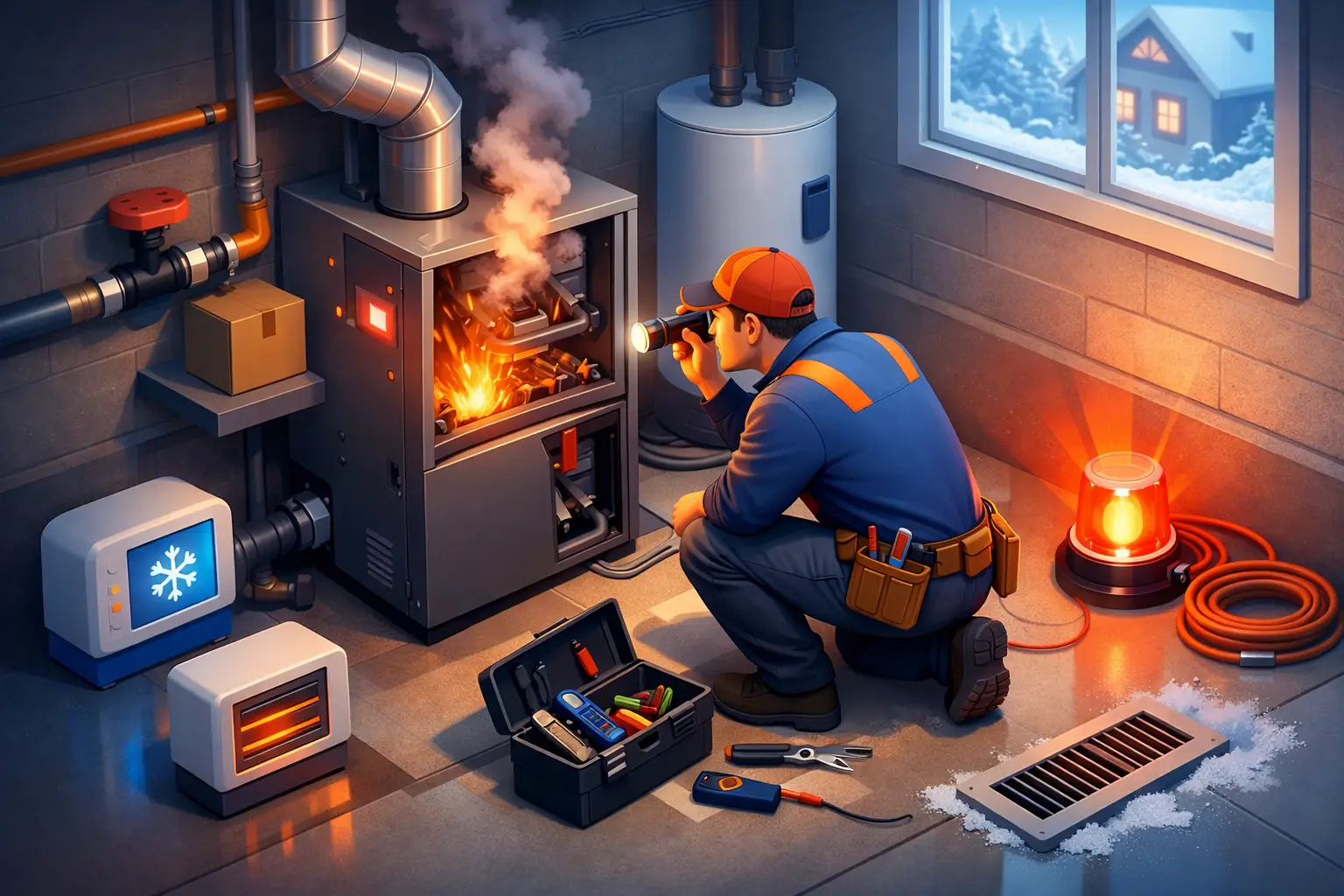
When your furnace quits during an Omaha cold snap, the house can go from comfortable to concerning fast. Emergency furnace repair Omaha homeowners need is not about waiting until business hours or trying random fixes online. It is about getting heat restored safely, protecting your home from freezing conditions, and getting clear answers before the problem gets worse.
A furnace breakdown is stressful whether it happens at 2 a.m., during a weekend gathering, or while you are responsible for tenants in a rental property. The right next step depends on what the system is doing, whether there are safety concerns, and how cold it is outside. A few basic checks can rule out simple issues. Beyond that, a licensed technician should diagnose the problem and explain the repair in plain language.
When a Furnace Failure Is an Emergency
No heat is the most obvious reason to call for emergency service, especially when temperatures are at or below freezing. A home can lose heat quickly during an Omaha winter, and prolonged cold raises the risk of frozen pipes, water damage, and unsafe indoor conditions for children, older adults, pets, and anyone with health concerns.
Some furnace problems need immediate attention even if the home still has a little warmth left. Turn the system off and call for help if you smell gas, notice burning or electrical odors, see smoke, hear loud banging or grinding, or a carbon monoxide alarm goes off. Leave the home and contact emergency services or your gas provider first if you suspect a gas leak or carbon monoxide issue. Do not attempt to restart the furnace in those situations.
Other issues may not be dangerous but still deserve prompt service. Short cycling, where the furnace starts and stops repeatedly, weak airflow, cold air from the vents, or a thermostat that cannot maintain the set temperature can all point to a problem that may leave you without heat soon. Waiting can turn a manageable repair into a middle-of-the-night failure.
What to Check Before Calling for Emergency Furnace Repair Omaha Service
You do not need HVAC experience to check a few safe, basic items. Start with the thermostat. Confirm that it is set to Heat, the temperature is set several degrees above the current room temperature, and the batteries are working if it uses them. Smart thermostats can also lose connection or have programming settings that prevent the furnace from running as expected.
Next, check the furnace switch and your electrical panel. The furnace switch is often located near the equipment and can accidentally get turned off. If a breaker has tripped once, you can reset it. If it trips again, leave it alone and call a technician. Repeated tripping can signal an electrical problem that should not be ignored.
A severely clogged air filter can restrict airflow and cause overheating or shutdowns. If you have the correct replacement filter and can change it safely, do so. Make sure supply vents are open and not blocked by furniture, rugs, or storage. For high-efficiency furnaces, look outside to make sure the intake and exhaust pipes are not blocked by snow, ice, leaves, or debris.
These checks are useful because they can resolve a simple interruption. They are not a substitute for a professional diagnosis. Do not remove furnace panels, bypass safety switches, relight equipment unless you have been instructed to do so, or keep resetting a furnace that will not stay on.
Common Reasons Furnaces Stop Heating
A failed igniter is one of the more common reasons a gas furnace will not start. The furnace may try to run, but the burners never light. Flame sensor problems can create a similar pattern: the burners ignite briefly and then shut down because the system cannot confirm a safe flame.
Airflow issues also cause plenty of winter calls. A dirty filter, blocked return, failing blower motor, or malfunctioning limit switch can make a furnace overheat and shut itself off. This built-in shutdown is designed to protect the equipment, but it does not restore heat to your home.
Older equipment can develop worn motors, cracked belts, failing control boards, or gas valve issues. Condensate drain blockages are another concern with high-efficiency furnaces. When water cannot drain properly, the system may shut down as a safety measure.
The symptoms alone do not always identify the cause. For example, cold air from vents could come from an ignition failure, a blower issue, a thermostat problem, or a heat pump operating differently during very cold weather. Accurate diagnostics matter because replacing the wrong part wastes time and money.
What a Professional Emergency Repair Visit Should Look Like
A proper emergency call starts with listening. The technician should ask what you noticed, when the problem started, whether the furnace has made unusual noises, and whether there are any safety concerns. Those details help narrow down the issue before work begins.
At the home or business, the technician should inspect the system, test key components, check airflow and safety controls, and identify the actual reason the furnace is not operating correctly. Once the problem is found, you deserve an upfront explanation of what failed, what the repair involves, and what it will cost before the work moves forward.
Not every furnace problem has the same answer. If a reliable system needs a common repair, fixing it is often the practical choice. If an older furnace has a major failure, repeated repair history, poor efficiency, or a safety-related concern, replacement may be worth discussing. That conversation should be straightforward, not a high-pressure sales pitch. The immediate goal is to restore safe heat. The longer-term decision is yours.
Midlands Heating & Air provides 24/7 emergency response with licensed Omaha-based technicians, upfront pricing, and repair recommendations focused on the problem in front of you.
Protecting Your Home While You Wait for Help
If the furnace is off and outdoor temperatures are low, keep exterior doors closed and limit opening and closing them. Close curtains or blinds at night to reduce heat loss. Keep interior doors open where possible so warmer air can circulate through the home.
Pay extra attention to plumbing on exterior walls, in unheated basements, and under sinks. Opening cabinet doors can help warmer room air reach pipes. If you have a safe supplemental heat source, use it exactly as directed by its manufacturer and keep it well away from bedding, curtains, furniture, pets, and children. Never use an oven, grill, or fuel-burning appliance to heat the house.
For landlords and property managers, communication matters as much as the repair dispatch. Let tenants know when help is on the way, share safe temporary steps, and document the reported issue. Fast communication can reduce tenant anxiety and help prevent property damage if the temperature continues to fall.
How Maintenance Helps Prevent Winter Breakdowns
Maintenance cannot prevent every failure. Parts wear out, power disruptions happen, and severe weather creates real strain on heating systems. Still, a professional tune-up before winter gives a technician the opportunity to catch many issues early, including dirty components, weak ignition parts, airflow restrictions, drainage problems, and unusual operation.
Regular filter changes are one of the simplest ways to help your furnace. The right schedule depends on the filter type, the number of people and pets in the home, indoor air quality, and how often the system runs. A one-inch filter may need attention more frequently than a thicker media filter. When in doubt, inspect it monthly during the heating season.
A planned maintenance agreement can also make sense for homeowners and property owners who want predictable service and fewer surprises. The value depends on the age and condition of the equipment, how many systems you maintain, and whether quick access to seasonal service is important to you.
When the heat stops, focus first on safety and getting an accurate diagnosis. A clear repair plan from a local technician can turn a long, cold night into a problem with a practical path forward.
[addtoany]RELAX! We offer flexible financing options!
