
Furnace Maintenance Plan Omaha Homeowners Trust
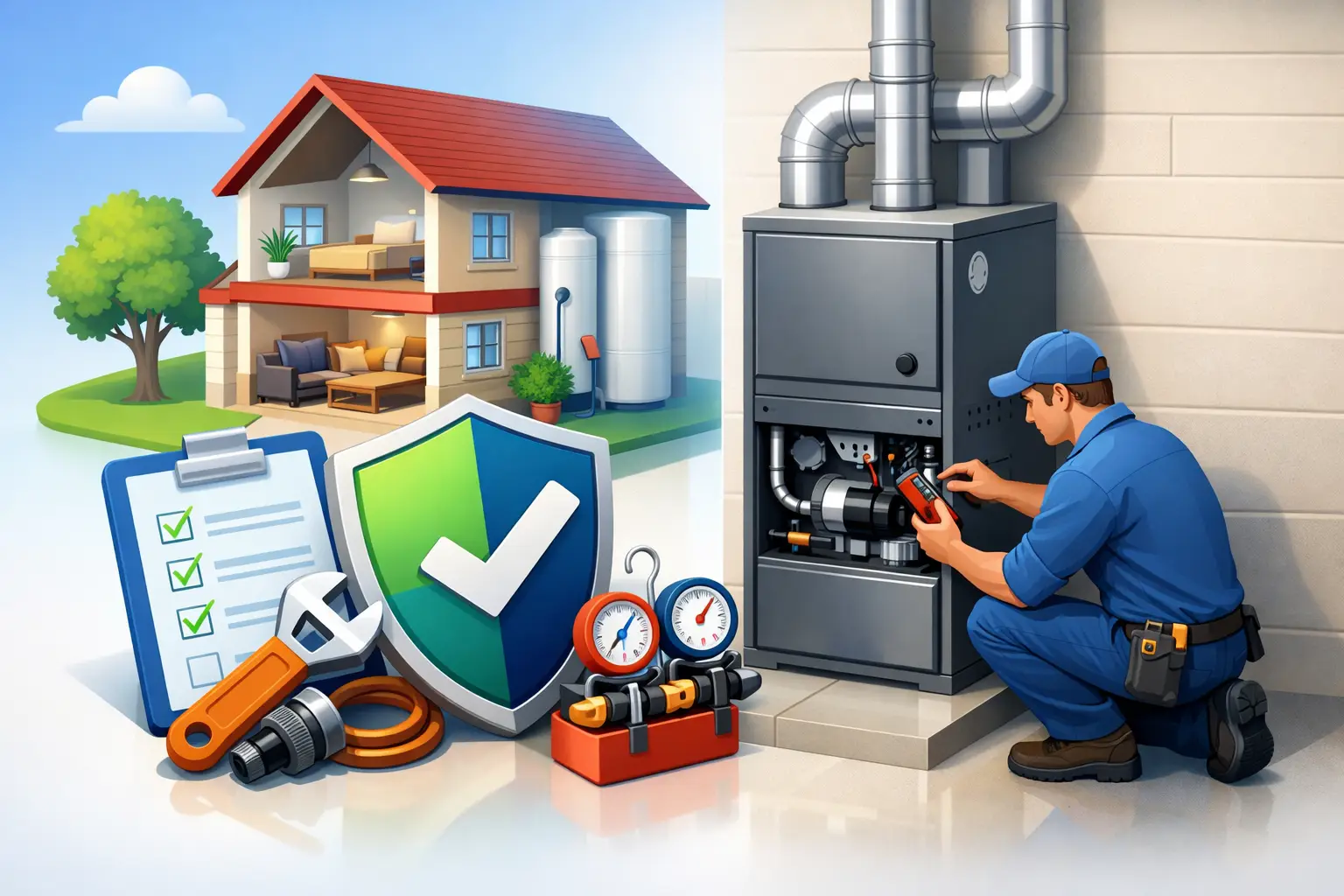
When an Omaha cold snap settles in, a furnace does not get much room for error. A system that seemed fine in October can suddenly struggle to heat the house, make unfamiliar noises, or stop altogether when temperatures drop hard. A furnace maintenance plan Omaha homeowners can rely on gives the system attention before winter puts it to the test.
Planned maintenance is not about finding reasons to replace equipment that is still doing its job. It is about catching ordinary wear, airflow problems, and safety concerns early, when there is time to make a clear decision instead of dealing with a no-heat emergency. For homeowners, landlords, and small-business owners, that means fewer surprises and a better handle on heating costs.
What a Furnace Maintenance Plan in Omaha Should Do
A good maintenance plan makes furnace care easier to keep up with. Rather than trying to remember when the last tune-up happened, you have a regular visit scheduled around the heating season and a local HVAC team that knows your equipment history.
The goal is practical: confirm that the furnace is operating safely, clean and inspect the parts that affect performance, and identify developing issues before they turn into a midnight repair call. Maintenance can also help preserve manufacturer warranty requirements, since many equipment warranties expect documented professional service.
No plan can guarantee that a furnace will never fail. Motors, control boards, and igniters can still break without much warning. But a thorough inspection can reduce the chance that a small problem, such as a dirty flame sensor or loose electrical connection, becomes the reason your home has no heat on the coldest night of the year.
Why Omaha Furnaces Need Regular Attention
Nebraska winters put steady demand on heating equipment. Furnaces may run for long stretches during freezing temperatures, and that workload exposes problems that were easy to miss during milder weather. A restricted filter, weak igniter, failing blower motor, or furnace that is short-cycling can become more noticeable quickly.
Many homes also experience the effects of seasonal transitions. The furnace sits unused through much of the cooling season, then needs to start reliably when the first cold front arrives. A pre-season maintenance visit gives a technician a chance to inspect operation before your household depends on the system every day.
There is also a safety reason to stay ahead of maintenance. Gas furnaces rely on controlled combustion and proper venting. A professional inspection helps identify concerns involving the heat exchanger, burners, gas connections, carbon monoxide risk, and safety controls. If something needs attention, you deserve a direct explanation and upfront pricing, not pressure to buy more than the situation calls for.
What Happens During a Professional Furnace Tune-Up
The exact checklist depends on the furnace type, age, condition, and manufacturer requirements. Still, a meaningful service visit should go beyond changing a filter and calling it done.
Safety and combustion checks
A technician inspects the furnace for safe operation, including the burners, ignition sequence, flame sensor, gas connections, venting, and key safety controls. They also look for warning signs of overheating or combustion problems. If a concern is found, the right next step depends on its severity. Some items are straightforward repairs; others may require shutting down the equipment until it is safe to operate.
Airflow and performance inspection
Your furnace needs proper airflow to heat efficiently and avoid unnecessary strain. During maintenance, the technician can check the filter condition, blower components, thermostat operation, temperature rise, and accessible duct-related concerns. A clogged filter is simple to fix, but recurring airflow issues may point to a return-air problem, an undersized filter setup, or ductwork that deserves a closer look.
Electrical and mechanical review
Furnaces contain electrical connections, moving parts, and controls that need to work together. The visit may include checking wiring, inspecting the blower motor and capacitor where applicable, testing the thermostat, and listening for unusual operation. Cleaning and adjustment can often improve reliability, but worn components should be discussed honestly so you can plan for a repair instead of being caught off guard.
Choosing the Right Furnace Maintenance Plan for Your Property
The best plan is not automatically the most expensive one. It should match how you use the property, the age of your equipment, and the level of support you want during the year.
For a newer furnace still under warranty, routine annual maintenance may be the main priority. For an older system, a plan with stronger repair support or priority scheduling may make more sense, especially if parts have already begun to wear. Households with young children, older family members, or anyone sensitive to cold may value faster service access when heating trouble starts.
Ask what is included in the visit, how service reminders work, whether the plan covers one or more systems, and what benefits apply if a repair is needed. Midlands Heating & Air offers Bronze, Gold, and Elite maintenance plan options so Omaha customers can choose coverage that fits their equipment and budget. The important part is understanding the plan before you need it, with no surprise terms and no high-pressure sales talk.
Maintenance Matters for Rental Homes and Small Businesses Too
For landlords and property managers, a furnace problem affects more than the equipment. It affects tenants, lease obligations, scheduling, and the condition of the property. Planned maintenance creates a service record and gives you a chance to address a furnace issue before it turns into an urgent tenant call during severe weather.
Small-business operators face a similar problem. A cold office, shop, or customer area can disrupt staff and make a poor impression on customers. Scheduling maintenance before peak heating season is usually less disruptive than waiting until a system fails during business hours.
What Maintenance Can and Cannot Prevent
Maintenance is a smart investment, but it is not a substitute for repairs when a component has reached the end of its life. A cracked heat exchanger, failed circuit board, or aging furnace with repeated breakdowns may require a larger decision. In those cases, the right contractor should explain the repair option, the likely costs, and the replacement alternative without treating replacement as the only answer.
Age matters, but condition matters more. Some furnaces provide dependable service for years with routine care. Others become expensive to maintain sooner because of installation issues, heavy use, unavailable parts, or multiple failures. A maintenance visit gives you useful information to plan ahead, not a reason to panic.
Do Not Wait for Your Scheduled Visit If You Notice These Signs
Call for service sooner if your furnace is blowing cold air, cycling on and off repeatedly, making banging or grinding sounds, producing unusual odors, or leaving parts of the building consistently cold. You should also take a carbon monoxide alarm seriously. Leave the property and seek appropriate emergency help if the alarm sounds or you suspect a gas or carbon monoxide issue.
For less urgent concerns, a technician can diagnose the problem before it becomes more costly. Waiting rarely makes a furnace issue cheaper, especially when the system is working harder to keep up.
A furnace maintenance plan is one of the simplest ways to prepare for an Omaha winter without overcomplicating home care. Schedule service before the cold settles in, replace filters as recommended, and pay attention when your system starts acting differently. That small amount of preparation can make the difference between a comfortable winter night and an emergency you never saw coming.
[addtoany]RELAX! We offer flexible financing options!
