
How to Stop AC Dripping Without Making It Worse
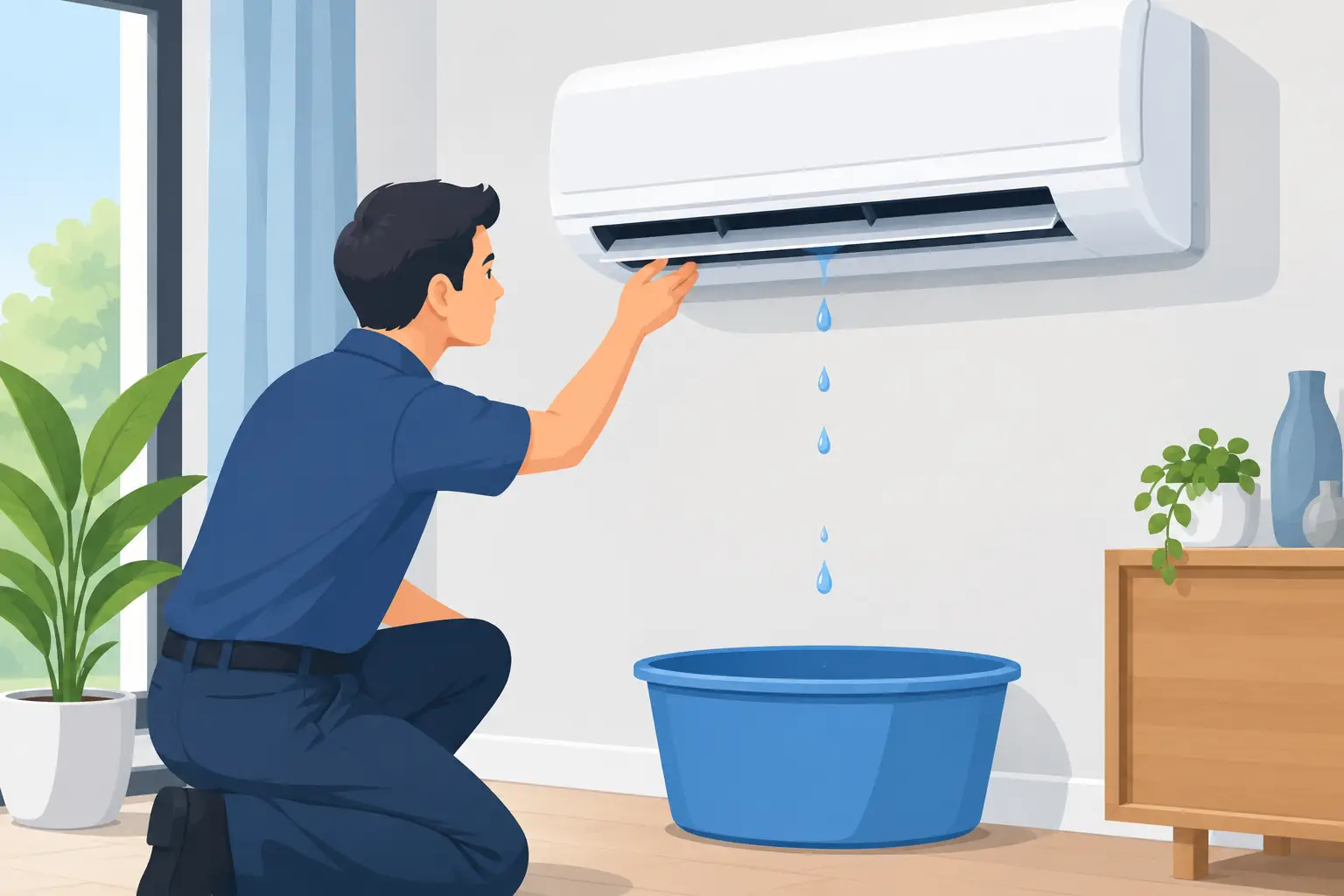
Water beneath an indoor AC unit can turn a normal Omaha summer afternoon into a stressful cleanup fast. If you are searching for how to stop AC dripping, start by protecting your home from water damage, then identify whether the problem is a simple drainage issue or a repair that needs a technician.
A little water from the outdoor condenser can be normal. Water coming through a ceiling, around an indoor furnace or air handler, or onto a floor is not. Ignoring it can damage drywall, flooring, insulation, and electrical components. It can also leave enough moisture behind for mold growth.
First, confirm where the water is coming from
Your air conditioner removes humidity from the air as it cools your home. That moisture collects on the indoor evaporator coil and should flow through a condensate drain line to a safe discharge point outside, near a floor drain, or into a condensate pump.
When that path is blocked, disconnected, or overwhelmed, the water has to go somewhere else. It may drip from the indoor unit, leak through ductwork, or overflow from a drain pan.
Before doing anything, make sure the moisture is actually related to your AC. A plumbing leak, roof leak, or high-efficiency furnace condensate issue can look similar. If the dripping begins only when the cooling system runs, the AC drain system is the likely place to start.
How to stop AC dripping safely right now
If water is actively leaking around the indoor unit, turn the thermostat from Cool to Off. Leave the fan setting on Auto, not On. Running the fan continuously can keep pushing air across a frozen coil or spread moisture through the system.
Then turn off power to the indoor equipment if water is near wiring, the furnace cabinet, or a condensate pump. Most systems have a nearby service switch. If you cannot safely reach it without stepping in water or moving electrical equipment, leave it alone and call for help.
Place towels, a shallow pan, or a waterproof container under the drip to limit damage. Move boxes, furniture, electronics, and anything absorbent out of the area. If water is coming through a ceiling, avoid puncturing it unless you know what is above it. A water-heavy ceiling can become a safety issue quickly.
Once the immediate mess is contained, check the air filter. A severely clogged filter can restrict airflow, cause the evaporator coil to freeze, and create a large amount of water when that ice melts. Replace a dirty filter with the correct size and type, but do not restart the system until you know the coil is fully thawed.
Check the condensate drain line for a clog
A clogged condensate line is one of the most common reasons an AC starts dripping indoors. Dust, algae-like growth, rust, and debris can collect in the line over time, especially during a humid Nebraska cooling season.
Look for a white PVC drain pipe near your furnace, air handler, or indoor coil cabinet. Many systems have a capped vertical section that gives a technician access to the drain. If you can clearly locate the outdoor drain termination, you may be able to use a wet/dry vacuum to pull out a light clog from that end.
Use the vacuum for a few minutes, then check whether water begins draining normally. Do not force a garden hose, coat hanger, high-pressure air, or other object into the line. Those shortcuts can disconnect fittings, crack older piping, or push debris into a harder-to-reach section.
If your system has a condensate pump, check whether its reservoir is full. A pump that has failed, lost power, or has a blocked discharge tube cannot move water away from the system. You may hear the pump humming without actually moving water, or see water sitting in its small tank. That is a repair call, not a reason to bypass the pump.
A frozen evaporator coil can cause major dripping
If airflow is restricted or the refrigerant level is low, the indoor coil can freeze into a block of ice. When the system shuts down or the weather changes, that ice melts faster than the drain pan can handle. The result can be dripping, overflowing, or water running down the side of the equipment.
Signs of a frozen coil include weak airflow from vents, warm air from the registers, ice on the refrigerant line near the indoor unit, or visible frost inside the cabinet. If you see ice, turn cooling off and allow the system to thaw completely. Depending on how much ice is present, that can take several hours.
Changing a clogged filter may solve an airflow problem. But if the filter is clean and the coil freezes again after restarting, do not keep running the AC. Low refrigerant, a blower issue, a dirty coil, or a metering problem may be involved. Refrigerant is not something to top off like windshield fluid. A licensed HVAC technician needs to find and correct the underlying issue.
Other reasons your AC may be leaking water
Not every dripping problem is a drain-line clog. Older equipment can develop a cracked or rusted drain pan, particularly if the coil has been sweating for years. A pan may be hidden inside the coil cabinet, so the damage is not always obvious until water reaches the floor.
A disconnected drain line can also leak after a repair, an accidental bump in a utility room, or deterioration at a joint. In homes with attic air handlers, a secondary drain pan or safety float switch may be the only thing standing between a minor repair and a damaged ceiling.
Poor insulation around refrigerant lines can create condensation that drips where it should not. High indoor humidity, dirty evaporator coils, and improperly installed equipment can contribute as well. The right fix depends on the source. Pouring cleaner into a drain line will not repair a cracked pan, and replacing a pan will not solve a frozen coil.
When to call an HVAC technician
Call for service promptly if water continues after you replace the filter and clear an obvious drain-line blockage. You should also call if you see ice, smell anything musty or electrical, hear unusual noises, notice a ceiling stain, or find water near electrical components.
For landlords and property managers, an AC leak deserves fast attention even when the cooling is still working. Water damage can move beyond one unit, affect a tenant’s belongings, and become more expensive by the hour. Clear communication and a documented repair plan matter just as much as restoring cooling.
A technician can safely clear and flush the drain system, test the condensate pump and float switch, inspect the coil, check airflow, and identify whether a refrigerant or equipment issue is causing repeat leaks. The goal should be to fix the immediate drip and prevent the next one, without turning a straightforward repair into a pressure-filled replacement conversation.
Prevent AC dripping before the next heat wave
The best prevention is routine maintenance before the system is working flat out in July and August. During a professional tune-up, the drain line can be cleaned, the condensate components tested, the coil inspected, and airflow checked. That is particularly valuable in Omaha, where a stretch of hot, humid weather can expose a small drainage problem quickly.
At home, check the filter regularly and keep the area around the indoor unit clear. If you have a drain line that exits near your foundation, look occasionally for normal discharge while the AC runs. A sudden lack of drainage, paired with water indoors, is a useful warning sign.
Water around your air conditioner is not always a major failure, but it is never something to ignore. Shut the system down if the leak is active, protect the area, and get a clear diagnosis before the next hot day turns a small drip into a bigger repair. Midlands Heating & Air is here when you need straightforward answers and a repair done right the first time.
RELAX! We offer flexible financing options!
