
Why Is AC Freezing? Causes and What to Do
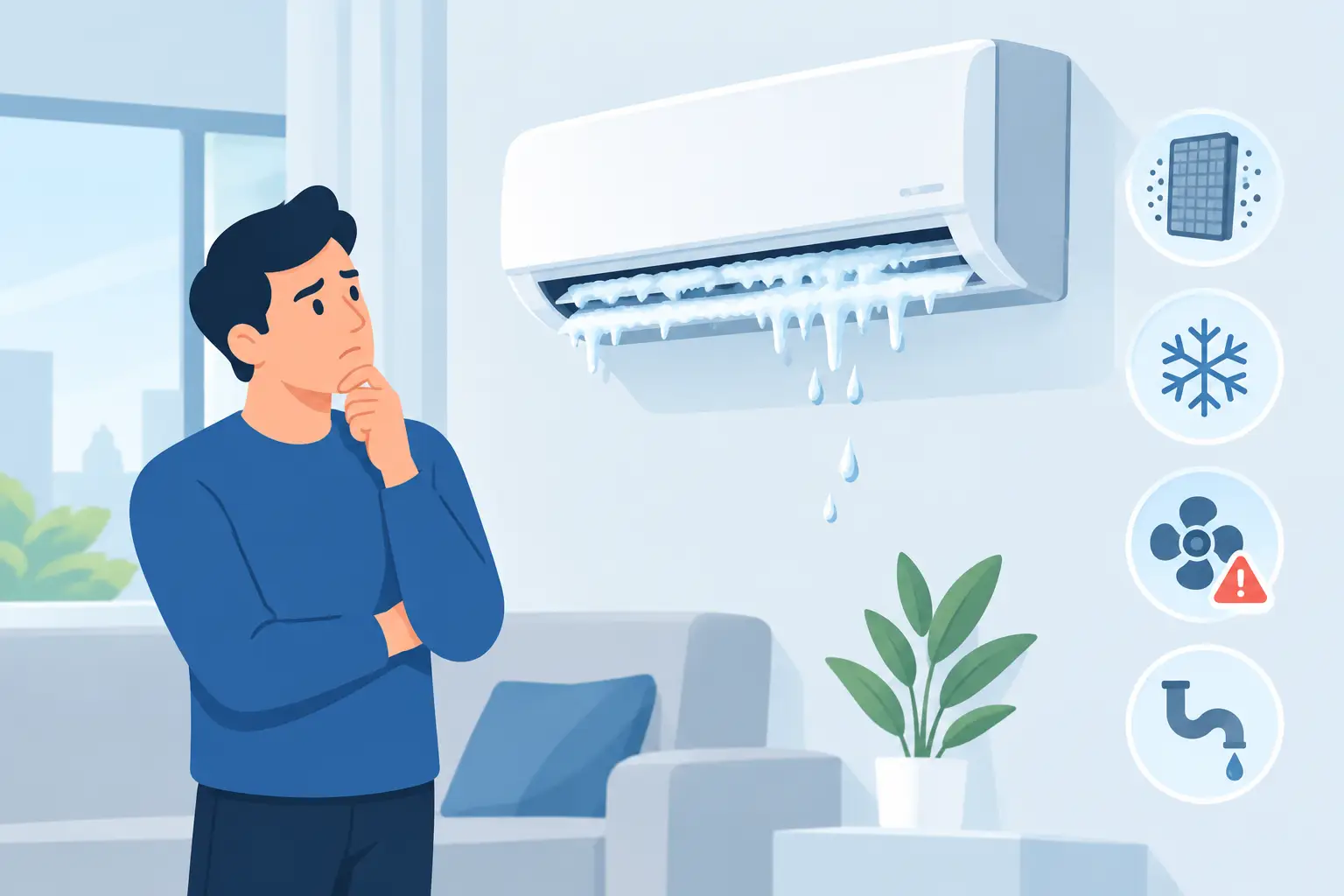
A frozen air conditioner can feel like the opposite of an emergency at first. You may see ice on the copper line outside, notice frost on the indoor unit, or find that the air coming from your vents is getting warmer by the hour. But during an Omaha heat wave, ice on an AC system is a warning that it is no longer moving heat the way it should.
So, why is AC freezing when it is supposed to cool your home? Most of the time, the system has either lost proper airflow or is running with a refrigerant problem. Both conditions can make the indoor coil cold enough for moisture in the air to freeze onto it. Left alone, that ice can build until the system cannot cool at all – and continued operation can damage the compressor.
Why is AC freezing in the first place?
Your AC does not create cold air. It pulls heat and humidity from indoor air as that air passes over the evaporator coil inside your home. Refrigerant moving through that coil absorbs the heat, while the blower sends cooled air back through the ductwork.
For that process to work, the coil needs a steady supply of warm indoor air. If airflow drops too low, or if refrigerant pressure is incorrect, the coil temperature can fall below freezing. Humidity then condenses on the coil and turns to ice. As the ice thickens, airflow gets even worse, creating a cycle that can quickly shut down cooling.
The good news is that a frozen AC is often repairable. The right repair depends on what caused the freeze-up, which is why a proper diagnosis matters more than simply thawing the ice.
The most common reasons an AC freezes
A dirty air filter is restricting airflow
A clogged filter is one of the most common and easiest causes to address. When a filter is packed with dust, pet hair, or construction debris, your blower cannot pull enough air across the evaporator coil. The coil gets too cold, and frost begins to form.
Check the filter first if it has been more than one to three months since it was replaced. Homes with pets, smokers, renovation dust, or heavy summer AC use may need more frequent changes. Use the filter size and type recommended for your system. An overly restrictive high-density filter can also reduce airflow if the equipment was not designed for it.
Closed vents or blocked return grilles are choking the system
Closing supply vents in unused rooms may seem like a way to save money, but it can create airflow problems in a central air system. The same is true of furniture, rugs, or stored items blocking return-air grilles. Your equipment was sized to move a certain amount of air through the home, and reducing that path can contribute to a frozen coil.
Open the vents you normally use, make sure return grilles are clear, and check that interior doors are not preventing air from returning to the system. This may not solve every freeze-up, but it removes a common issue before a technician arrives.
The blower motor or ductwork has an airflow problem
Sometimes the filter is clean, yet airflow is still weak. A failing blower motor, worn capacitor, loose belt on older equipment, damaged fan wheel, or electrical issue can keep the blower from moving enough air. Leaky, crushed, disconnected, or poorly designed ductwork can cause similar trouble.
You might notice weak air from several vents, unusual noises from the furnace or air handler, or rooms that have always been difficult to cool. These are not do-it-yourself repairs. A technician needs to measure airflow and inspect the equipment rather than guessing at the cause.
Low refrigerant may point to a leak
An AC system does not use up refrigerant like a car uses gasoline. If refrigerant is low, there is usually a leak somewhere in the sealed system. Low refrigerant pressure can make the evaporator coil excessively cold and lead to ice buildup.
This problem often comes with reduced cooling, longer run times, hissing or bubbling sounds, and ice on the larger insulated refrigerant line outside. Adding refrigerant without finding and addressing the leak is only a temporary patch. The leak needs to be located, the repair options explained clearly, and the system charged correctly afterward.
Dirty coils can make freezing more likely
The indoor evaporator coil can collect dust over time, especially when filters are not changed regularly. The outdoor condenser coil can also become coated with cottonwood, grass clippings, and dirt during a Nebraska summer. Either issue makes heat transfer less effective and puts extra strain on the system.
An indoor coil is delicate and difficult to access on many systems. Avoid trying to scrape or aggressively clean it yourself. The outdoor unit can be gently rinsed with a garden hose after turning off power, but a heavily soiled unit is best handled during professional maintenance.
Thermostat or control problems may keep the system running too long
A thermostat that is inaccurate, poorly located, or programmed incorrectly can cause long cooling cycles. Some systems also have control-board, sensor, or relay issues that prevent normal cycling. Long run times alone do not always freeze an AC, especially during very hot weather, but they can expose an existing airflow or refrigerant issue.
If your system runs constantly but cannot reach the set temperature, treat it as a service concern. Lowering the thermostat further will not make a struggling system cool faster.
What to do when your AC is frozen
The first step is to turn the cooling mode off. Do not keep running the air conditioner in hopes that the ice will melt while it operates. Continuing to run it can cause more ice buildup and put the compressor at risk.
Set the thermostat to Off or switch from Cool to Fan On if the blower is working normally. The fan can move room-temperature air over the coil and help it thaw. Depending on how much ice has formed, thawing can take several hours or even a full day. Place towels near the indoor unit if you see water dripping as the ice melts.
While the system is off, check the air filter and replace it if it is dirty. Make sure vents and returns are open and unobstructed. Then leave the ice alone. Do not chip at it with a screwdriver, knife, or other sharp object. Refrigerant coils are easy to puncture, and a small mistake can turn a manageable repair into a more expensive one.
Once the ice is fully gone, you can try cooling again if the filter was clearly the issue and airflow feels normal. If it freezes again, blows warm air, or has weak airflow, turn it off and schedule service. Repeated freeze-ups are not normal.
When to call for AC repair in Omaha
Call for professional help if you see ice return after thawing, hear unusual noises, find water pooling around the indoor unit, or notice that your home will not cool despite the system running. A frozen coil can also hide the real problem until it thaws, so a technician may need to inspect the system after the ice is gone.
For landlords and property managers, a frozen AC deserves prompt attention too. Tenants may lose cooling quickly, and thawing ice can create water damage around the furnace, air handler, or ceiling below an attic installation. Fast communication and a documented diagnosis help prevent a small service call from becoming a larger property issue.
A qualified technician should check filter condition, blower performance, duct airflow, coil condition, refrigerant pressures, electrical components, and drainage. That process identifies whether the repair is simple, such as restoring airflow, or whether the system has a leak or component failure that needs a more involved solution. You should receive clear options and upfront pricing before work begins.
Preventing another frozen AC
Regular maintenance is the most practical way to reduce freeze-ups. A seasonal visit gives a technician the opportunity to clean coils as needed, inspect electrical parts, verify drainage, assess airflow, and catch refrigerant concerns before the hottest stretch of summer.
Between visits, change filters on schedule, keep the area around the outdoor unit clear, and pay attention to changes in airflow or cooling performance. Small signs matter. An AC that takes longer to cool, runs louder than usual, or leaves certain rooms muggy is asking for attention before it turns into an after-hours breakdown.
If your AC is freezing, do not assume the answer is more refrigerant or a new system. Start by shutting off cooling and allowing the unit to thaw, then get a straightforward diagnosis. Midlands Heating & Air helps Omaha-area homeowners, landlords, and businesses get back to reliable cooling with no-pressure recommendations and repairs focused on the problem in front of you.
RELAX! We offer flexible financing options!
