
Furnace Smells Burning? What to Do First
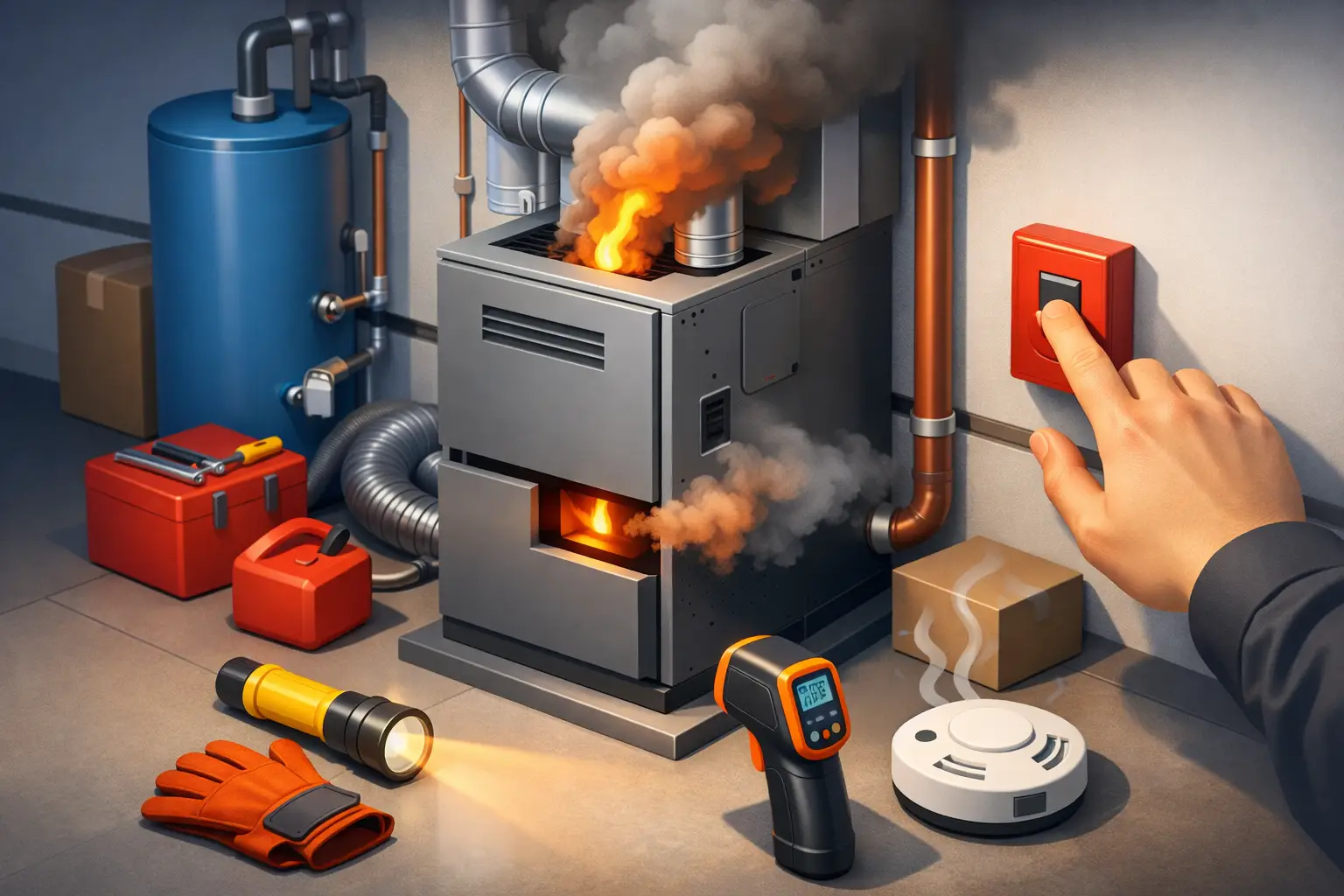
A furnace smell can turn a normal winter morning into a safety concern fast, especially when Omaha temperatures are well below freezing. If your furnace smells burning, do not assume it is harmless, but do not panic either. Some odors are expected for a short time. Others mean the system should be shut down and inspected before it runs again.
The key is identifying what the odor resembles, how long it lasts, and whether it comes with smoke, unusual sounds, or a furnace that is not heating correctly. A quick response can protect your home, your equipment, and the people inside it.
Start With Safety, Not Guesswork
If you see smoke, flames, sparks, or heavy soot around the furnace, turn the system off at the thermostat if you can do so safely. Leave the home and call 911 if there is an active fire or immediate danger. Do not open furnace panels, pour water into the unit, or keep restarting it to see whether the smell goes away.
A burning smell without visible smoke still deserves attention. Turn off the thermostat and check whether the odor fades after the blower stops. If the smell is strong, persistent, or has a sharp electrical or plastic quality, leave the furnace off and arrange a professional inspection.
Do not confuse a burning odor with a gas leak. Natural gas is usually described as rotten eggs or sulfur. If you smell gas, leave the building right away, avoid switches and open flames, and call your gas utility or 911 from a safe distance. A burning smell and a gas smell require different responses, but neither is something to ignore during a Nebraska cold snap.
When a Burning Smell Is Often Normal
The most common harmless reason is dust. If the furnace has been off through spring, summer, and early fall, dust can settle on the heat exchanger, burners, and nearby metal surfaces. When the system starts for the first time, that dust burns off.
This odor is usually mild and should clear within 15 to 30 minutes of normal operation. Opening a window briefly can help, as long as weather permits. It should not produce visible smoke, trigger repeated breaker trips, or return every time the furnace cycles.
A new furnace can also have a temporary odor during its first few heating cycles. Manufacturing oils and coatings may burn off as the equipment reaches operating temperature. Again, the smell should be short-lived. If it is strong, continues beyond the first day of use, or is accompanied by smoke, call the installer or an HVAC technician.
Furnace Smells Burning Like Plastic or Electrical Wiring
A melting-plastic, hot-wire, or sharp electrical smell is not a wait-and-see situation. Shut off the furnace and call for service. Electrical components such as blower motors, capacitors, control boards, wiring connections, and transformers can overheat. A failed motor may also create a hot, acrid smell as its windings struggle or burn.
Sometimes the source is simpler: an item stored too close to the furnace, a plastic toy that fell into a floor register, or insulation touching hot equipment. That does not make it safe to keep operating the system. Furnaces need clear space around them, and anything that has melted or scorched should be investigated for the cause.
A clogged filter is another possible contributor. Restricted airflow can make the furnace run hotter than it should, putting extra stress on the heat exchanger and blower system. Check the filter only after turning the system off. If it is visibly loaded with dust or has not been changed on schedule, replace it with the correct size and type. If the burning odor remains after a fresh filter, the furnace needs diagnosis.
Burning Rubber, Oil, or a Mechanical Odor
A burning-rubber smell may point to an overworked blower motor, worn belt on an older belt-driven system, or a failing mechanical part. Most modern residential furnaces do not use blower belts, so the exact cause depends on the equipment in your home. Either way, a mechanical burning smell is a reason to stop running the unit until it has been checked.
An oil smell is more common with oil-fired heating equipment than with standard natural-gas furnaces found in many Omaha homes. If your home has an oil furnace and you smell oil or smoke, shut it down and request service promptly. Fuel delivery, combustion, and venting problems should never be handled as a homeowner repair.
If the odor is coming from vents rather than the furnace room, do not assume the ductwork is the problem. The blower moves air from the furnace through the home, so a smell that begins at the equipment often shows up first at supply registers.
Smoke, Soot, and Musty Odors Need Different Answers
A smoky or burnt-paper smell can signal an actual overheating issue, improper combustion, or debris near the furnace. Dark marks, soot around the furnace, yellow or flickering burner flames, and repeated shutdowns are all warning signs. Gas furnace burner flames should generally be steady and blue. Do not remove panels to inspect burners closely if you are not trained to do so. Schedule service instead.
A musty smell is less likely to be active burning, but it still matters. It can come from damp ductwork, a dirty filter, a humidifier issue, or a furnace that has collected dust and debris. Mustiness may be an indoor-air-quality concern rather than an emergency, unless you also notice electrical burning, smoke, or poor furnace performance.
Carbon monoxide has no smell at all. That is why working carbon monoxide detectors are essential in homes with fuel-burning equipment. If a detector alarms, get everyone outside immediately and call 911. Do not reenter because the furnace seems to be operating normally.
What You Can Check Safely Before Calling
There are a few safe observations that help narrow down the issue and help your technician arrive prepared. Keep them simple. Note whether the smell started on the first heating cycle of the season or appeared after the furnace had been running normally. Pay attention to whether it lasts for a few minutes or the entire cycle.
You can also check the thermostat setting, look for visible smoke from a safe distance, and inspect the air filter. Make sure furniture, boxes, paint cans, laundry products, and other stored items are not crowding the furnace. Do not reach inside the cabinet, bypass safety switches, reset a tripped breaker repeatedly, or try to clean burners yourself.
For landlords and property managers, a tenant report of a burning smell should be treated as a priority maintenance call. Ask whether there is smoke, a gas odor, an alarm, or loss of heat. If any of those conditions are present, direct the tenant to follow emergency safety steps first. A prompt inspection is far less disruptive than a no-heat call during a deep freeze.
When to Call for Furnace Repair Right Away
Call for professional furnace service the same day if the odor is electrical, plastic-like, smoky, or returns after the first 30 minutes of seasonal operation. Also call if the furnace blows cool air, short cycles, makes grinding or buzzing noises, trips breakers, leaves soot, or cannot keep up with the thermostat.
Waiting is rarely a money-saving move when overheating is involved. A restricted filter may be a small fix, but a damaged blower motor, wiring problem, or combustion concern can become more expensive and less safe if the furnace keeps running. A qualified technician can identify the actual source, explain the repair in plain language, and give you upfront pricing before work begins.
Midlands Heating & Air provides straightforward furnace diagnostics and 24/7 emergency response for Omaha-area homes, rental properties, and small businesses. The goal is simple: address the immediate safety and heating issue without pressure or unnecessary recommendations.
Prevent the Next Burning Smell
Many furnace odor calls can be prevented with regular maintenance before heating season. A professional tune-up checks electrical connections, blower operation, burners, safety controls, airflow, filters, and signs of wear before the furnace is working hard every day.
Between visits, change filters on the schedule recommended for your home, keep the furnace area clear, and test smoke and carbon monoxide detectors monthly. Homes with pets, construction dust, or frequent fan use may need filter changes more often. The right interval depends on the filter, household conditions, and system design.
A brief dusty smell at the first startup can be normal. Anything stronger, stranger, or longer-lasting deserves a real answer. Turning the furnace off and getting it checked is the practical choice that protects comfort now and helps prevent a much bigger problem when winter weather is at its worst.
[addtoany]RELAX! We offer flexible financing options!
