
How to Reset Your Furnace Safely at Home
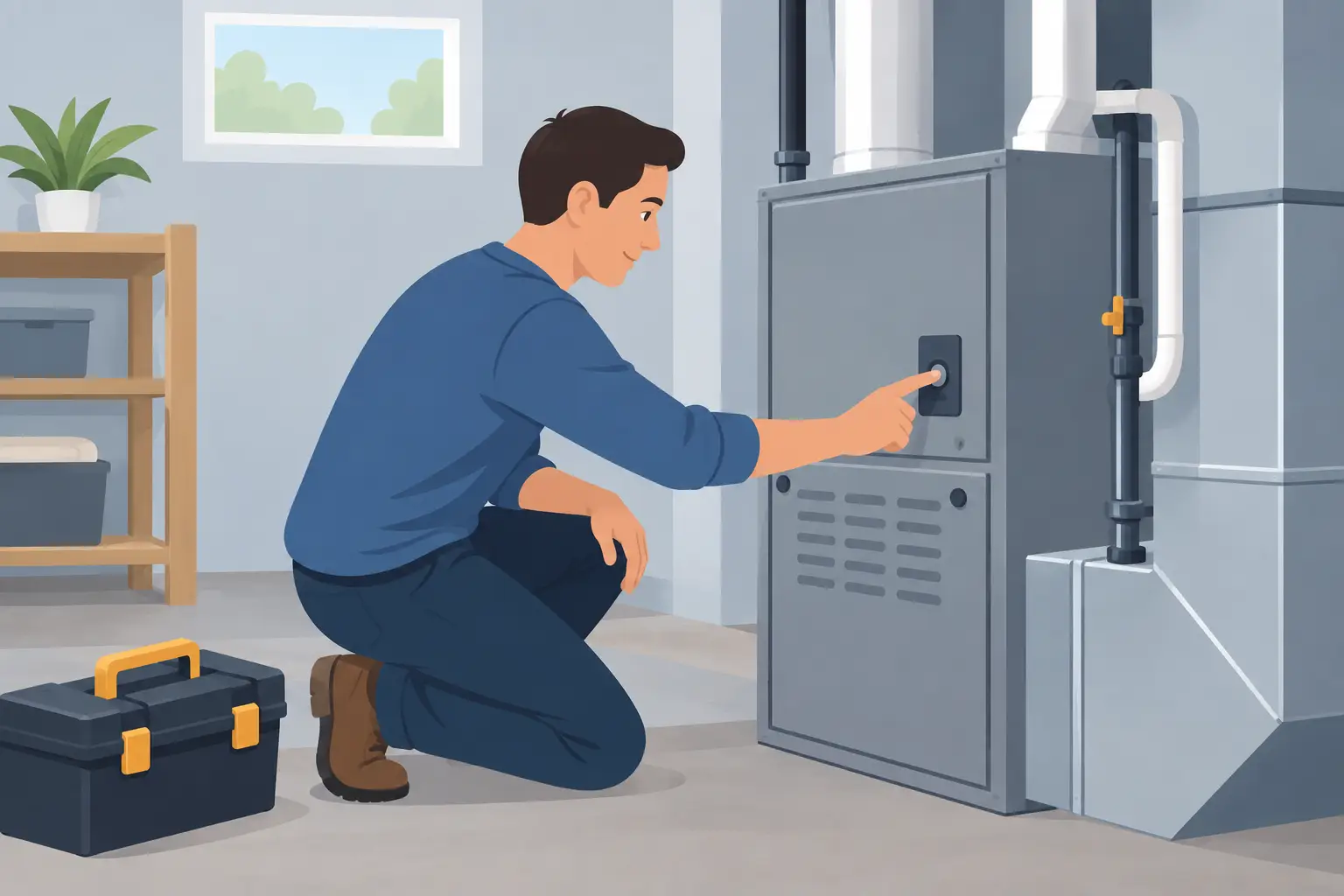
A furnace quitting on a cold Omaha morning can make every minute feel longer. If you are searching for how to reset furnace controls, a careful power reset may restore heat after a minor interruption. But a reset is not a fix for every furnace problem, and repeatedly restarting equipment can create bigger issues or hide an unsafe condition.
The goal is simple: rule out the safe, basic causes of a no-heat call before bringing in a technician. If the furnace still will not run, or it starts and shuts off again, stop there. A qualified HVAC technician can identify the cause without guessing or pushing unnecessary repairs.
What Resetting a Furnace Actually Does
Most modern furnaces do not have one universal reset button. Resetting usually means turning off power to the furnace, waiting briefly, and turning it back on. This clears some temporary control-board faults and lets the furnace begin its normal startup sequence again.
A furnace that is operating correctly will generally start its small exhaust fan, prove that it can vent safely, ignite the burners, and then turn on the blower to circulate warm air. If a safety switch detects a problem during that sequence, the system may shut down and lock out rather than continue operating unsafely.
That is why a reset may help after a brief power outage or thermostat issue, but it will not solve a dirty flame sensor, a failed igniter, a blocked vent, an overheating problem, or a gas supply issue. It depends on what caused the shutdown in the first place.
Before You Reset: Check for Safety Warnings
Do not reset the furnace if you smell natural gas, smell burning plastic or electrical wiring, see smoke, or hear a loud bang, grinding, or repeated clicking. Leave the area if there is a gas odor, avoid operating switches or using flames nearby, and contact your gas utility or emergency services from a safe location. Then arrange for furnace service.
You should also skip a reset if your carbon monoxide alarm is sounding, anyone in the building has unexplained headache, nausea, dizziness, or confusion, or the furnace has visible soot around it. Turn the system off if it is safe to do so, get fresh air, and treat possible carbon monoxide exposure seriously.
A furnace may also have a manual-reset rollout switch behind an access panel. That is not a homeowner reset button. A tripped rollout switch can point to a serious combustion or venting problem. It should be inspected by a licensed technician before the furnace is run again.
How to Reset Your Furnace Safely
Start with the thermostat. Set it to Heat and raise the temperature at least three to five degrees above the current room temperature. If the thermostat screen is blank, replace its batteries if it uses them. For a smart thermostat, confirm it has power and is not following a schedule or vacation setting.
Next, make sure the furnace service switch is on. This switch often looks like an ordinary wall light switch and may be mounted on or near the furnace. It can be bumped off accidentally during storage, cleaning, basement work, or a visit from another contractor.
Then check the electrical panel. Look for a tripped furnace breaker. A breaker that is sitting between On and Off needs to be moved fully to Off first, then back to On. If the breaker immediately trips again, leave it off. A recurring trip can indicate an electrical fault, a failing blower motor, or another problem that needs professional diagnosis.
If power is available, turn the furnace service switch off. Wait about five minutes. That pause gives the control board time to fully power down and clear a temporary lockout. Turn the switch back on, replace the furnace door securely if you removed it, and wait for the unit to begin its startup cycle.
Keep the thermostat calling for heat while you listen and watch from a safe distance. Many furnaces take a minute or two before warm air reaches the vents. If the system starts normally, let it run through a full heating cycle. Check that several supply vents are delivering warm air and that the thermostat temperature begins to rise.
Do not turn the system off and on over and over. One careful reset is reasonable. Two attempts may be appropriate if there was a known power interruption. More than that can put extra stress on components and makes it harder to tell a technician what the furnace is doing.
Check the Filter and Airflow While You Wait
A clogged filter is one of the most common avoidable furnace problems. When airflow is restricted, the furnace can overheat and shut down on its high-limit safety switch. It may then cool off, restart, and shut down again. Homeowners often notice this as short cycling, uneven heat, or a furnace that seems to run but never keeps the house comfortable.
With the furnace off, inspect the filter. Replace it if it is visibly dirty, gray, bowed inward, or overdue based on the filter manufacturer’s recommendation. Be sure the arrow on the new filter points toward the furnace or air handler.
Also check that supply registers and return grilles are open and not blocked by furniture, rugs, boxes, or drapes. Closing too many vents can reduce airflow just as a dirty filter can. In older Omaha homes, a closed basement register or blocked return can have a bigger effect than many people expect.
If you have a high-efficiency furnace, look outside for the PVC intake and exhaust pipes. Snow, ice, leaves, or debris can obstruct them, especially after a Nebraska storm. Clear only visible material around the pipe openings. Do not insert tools or reach into the pipes, and call for service if ice is repeatedly forming or you suspect a deeper blockage.
When a Furnace Reset Will Not Be Enough
Pay attention to what happens after the reset. A furnace that does nothing may have a thermostat, power, door-switch, control-board, or electrical issue. A furnace that starts but never ignites may have an igniter, flame-sensing, gas-supply, pressure-switch, or venting problem. A furnace that lights briefly and shuts down often needs diagnosis rather than another restart.
Error lights can help, but they are not a complete diagnosis. Many furnaces have a small sight glass on the front panel that shows a blinking LED code. Write down the color and flash pattern before turning off power. The code gives a technician a useful starting point, although the same code can have more than one possible cause.
Call for professional help if the furnace blows cool air, cycles on and off repeatedly, makes unusual noises, trips the breaker, leaks water, or fails again after a reset. For rental properties, a prompt repair call is usually better than asking a tenant to remove panels or troubleshoot wiring. It protects the equipment and keeps the property safe and comfortable.
A Note About Older Furnaces and Pilot Lights
Most furnaces installed in the last several decades use electronic ignition, not a standing pilot light. Do not assume your system needs a pilot relit just because it will not heat. Trying to light an unfamiliar furnace manually can be dangerous and may damage components.
If you have an older furnace with a standing pilot, follow the instructions printed on the furnace itself. If the pilot will not stay lit, the furnace has soot buildup, or you are unsure whether the system has a pilot at all, stop and schedule service. Gas appliances are not the place for trial and error.
Prevent the Next No-Heat Surprise
A reset is a useful first step, but regular maintenance is what lowers the chance of a furnace locking out during a deep freeze. Annual service lets a technician inspect the heat exchanger, burners, ignition system, safeties, venting, electrical connections, blower, drain system, and overall performance before winter demand is at its highest.
Between visits, change filters on schedule, keep outdoor vent terminations clear, test carbon monoxide alarms, and pay attention when the furnace begins taking longer to heat the home. Small changes are often easier and less expensive to address before the system quits completely.
When the heat will not come back, you do not need to keep resetting and hoping. Midlands Heating & Air provides straightforward furnace diagnostics for Omaha-area homes and properties, with clear communication, upfront pricing, and help when the weather cannot wait. A quick, accurate repair is usually the safest path back to a warm house.
[addtoany]RELAX! We offer flexible financing options!
