
Why Does a Furnace Cycle Frequently in Winter?
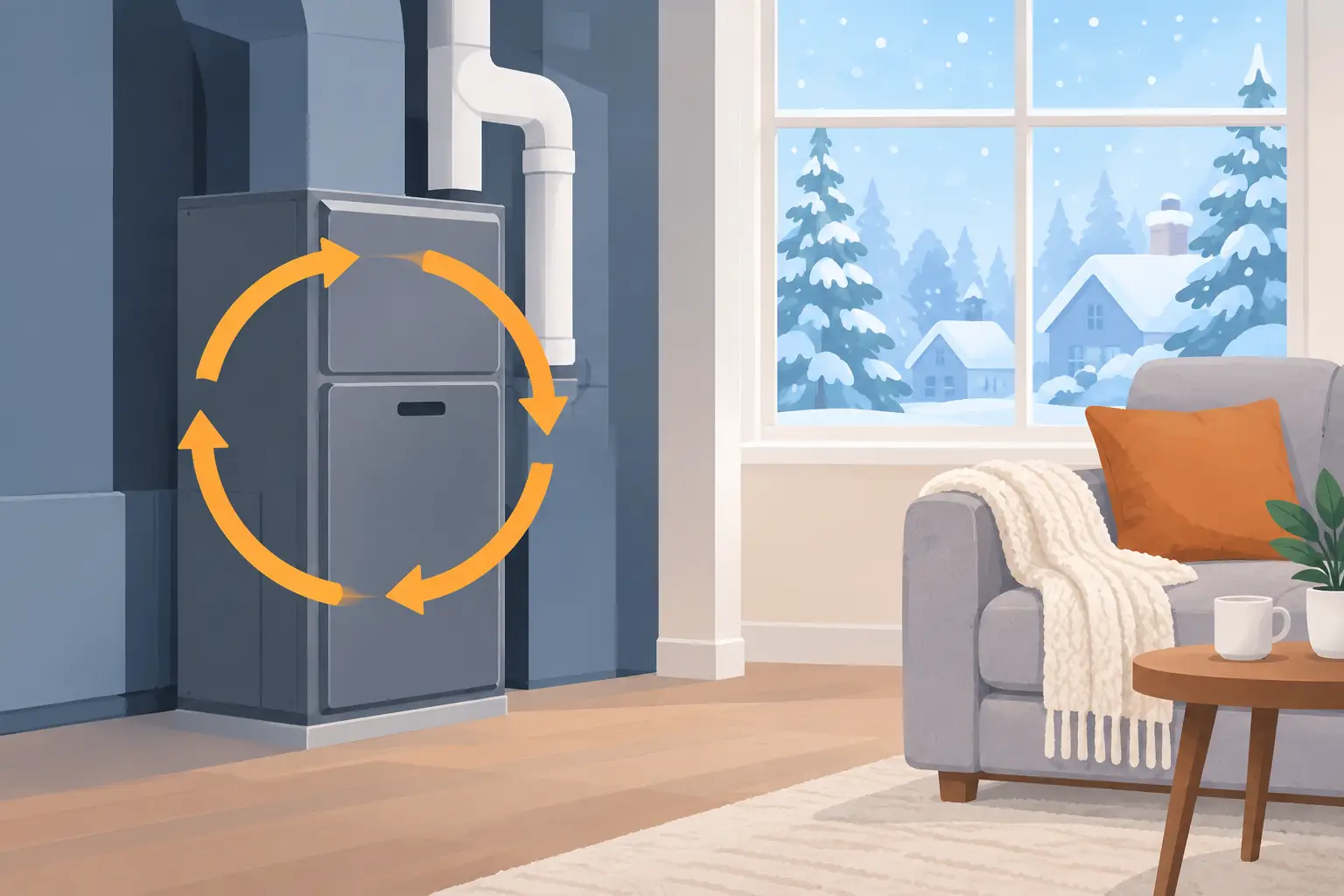
A furnace that starts, runs for a few minutes, shuts off, and then starts again can make an Omaha home feel anything but comfortable. If you are asking, why does a furnace cycle frequently, the answer may be as simple as a clogged filter or as serious as an overheating safety issue. Either way, frequent cycling is worth addressing before a cold Nebraska night turns a small repair into a no-heat emergency.
Short cycling puts extra wear on the furnace’s ignition system, blower motor, and other moving parts. It can also leave rooms unevenly heated, raise utility costs, and make an already stressed system more likely to fail when you need it most.
What Frequent Furnace Cycling Actually Means
A furnace cycle begins when the thermostat calls for heat and ends when the thermostat is satisfied. During very cold weather, it is normal for a furnace to run more often. A properly operating system may run for 10 to 15 minutes at a time, sometimes longer when temperatures drop well below freezing.
Frequent cycling is different. If your furnace runs for only two to five minutes, shuts down, and restarts soon afterward, that is commonly called short cycling. The furnace may be reaching an unsafe temperature, receiving a bad thermostat signal, or struggling to move warm air through the home.
There is some room for context. A furnace may cycle more often after someone opens an exterior door repeatedly, during a sudden cold snap, or when a programmable thermostat raises the temperature several degrees at once. But repeated short runs under normal conditions should not be ignored.
Why Does a Furnace Cycle Frequently?
Several problems can cause a furnace to short cycle. Some are safe for a homeowner to check. Others require a licensed HVAC technician because they involve gas, electricity, combustion, or internal safety controls.
A dirty air filter restricts airflow
This is one of the most common causes. Your furnace needs adequate airflow to carry heat away from the heat exchanger and distribute it through the house. When a filter is packed with dust, pet hair, or debris, the blower cannot move enough air.
The furnace can then overheat and trip its high-limit safety switch. It shuts off to protect itself, cools down, and tries again. Replacing a dirty filter may solve the issue, but only if restricted airflow is the only problem. If the furnace continues cycling after a new filter is installed, it needs further diagnosis.
Closed vents or blocked return air grilles
Closing vents in unused rooms may seem like a smart way to save energy, but it can reduce airflow enough to create problems. Furniture, rugs, curtains, and storage items can also block return grilles, which are the larger vents that pull household air back to the furnace.
Keep supply registers open and make sure return grilles have clear space around them. If certain rooms are always too warm or too cold, the answer may be ductwork balancing or insulation improvements rather than shutting vents throughout the home.
A thermostat problem sends the wrong signal
A thermostat located near a supply vent, fireplace, sunny window, kitchen, or drafty exterior door can read the room temperature incorrectly. It may tell the furnace the home is warm before the rest of the house reaches the set temperature.
Loose wiring, weak batteries, incorrect programming, and a malfunctioning smart thermostat can also cause rapid on-and-off operation. Before assuming the furnace itself is failing, verify that the thermostat is set to Heat and that the fan is set to Auto. If it uses batteries, replace them. Avoid repeatedly changing settings while the system is running, since that can make the pattern harder to diagnose.
The flame sensor or burners need service
A gas furnace has safety systems that verify proper ignition and flame. If the flame sensor is dirty or failing, the burners may light briefly and then shut off because the system cannot confirm a stable flame. Dirty burners, ignition problems, or a failing control board can create similar symptoms.
These are not do-it-yourself repairs. The furnace cabinet contains electrical components and combustion equipment. A technician can test the sequence of operation, inspect the flame signal, clean components correctly, and identify whether a part needs replacement.
The furnace is overheating
Beyond a dirty filter, overheating can result from a failing blower motor, a weak blower capacitor, dirty evaporator coils on a shared heating and cooling system, undersized ductwork, or internal mechanical issues. The high-limit switch is doing its job when it shuts the burners down, but repeated overheating is hard on the equipment.
Do not bypass a limit switch or keep resetting a furnace that is shutting down on safety. That may turn a repairable airflow issue into a larger equipment problem.
The furnace may be oversized for the home
A furnace that is too large can heat the thermostat area very quickly and shut off before heat circulates through the home. This often causes uneven temperatures and frequent starts, even when the equipment is relatively new.
Oversizing is not always the cause, and it cannot be confirmed by looking at the furnace alone. A proper assessment considers the home’s square footage, insulation, windows, ductwork, layout, and heat loss. If replacement is eventually needed, the right answer is a load calculation, not simply installing the biggest unit available.
Safe Checks You Can Make Before Calling
Start with the simple items that do not involve opening the furnace cabinet or touching gas or electrical connections:
- Replace a visibly dirty filter with the correct size and airflow rating.
- Confirm the thermostat is set to Heat, the fan is set to Auto, and the temperature setting is above the current room temperature.
- Open supply vents and clear furniture or household items away from return grilles.
- Check that exterior intake and exhaust pipes, if your furnace uses them, are not blocked by snow, ice, leaves, or debris.
After making these checks, let the furnace run through a normal heating call. If it still turns off after only a few minutes or the house is not warming evenly, schedule service rather than continuing to troubleshoot on your own.
When Frequent Cycling Becomes an Emergency
Call for immediate professional help if you smell gas, a carbon monoxide alarm sounds, you see soot around the furnace, or anyone in the building experiences headaches, dizziness, nausea, or unusual fatigue. Leave the home if there is a suspected gas leak or carbon monoxide concern, then contact the appropriate emergency service and your gas utility.
You should also arrange prompt furnace service if the unit is blowing cold air, making banging or grinding noises, tripping breakers, or repeatedly shutting down during freezing weather. For landlords and property managers, fast attention is especially important when tenants have limited heat or vulnerable occupants are in the property.
A technician should inspect the full system instead of replacing parts based on a guess. Good diagnostics include checking airflow, temperature rise, thermostat operation, safety switches, venting, ignition, and the condition of the blower and heat exchanger. This approach identifies the immediate problem while helping prevent the same issue from returning next week.
Preventing Short Cycling Next Winter
Annual heating maintenance is the practical way to catch many cycling issues before winter. A preseason visit can identify dirty components, weak electrical parts, airflow restrictions, thermostat concerns, and combustion issues while there is time to plan a repair.
For homeowners, regular filter changes and keeping vents clear go a long way. For rental-property owners and small businesses, planned maintenance also helps reduce surprise calls, protect occupants, and make heating costs more predictable. The exact schedule depends on the filter type, pets, occupancy, and how hard the system runs, but checking the filter monthly during heating season is a good habit.
A furnace should bring steady, dependable heat, not make your household wonder whether it will make it through the next cold front. If the cycling continues after the basic checks, Midlands Heating & Air can provide a straightforward diagnosis, upfront pricing, and practical repair options without pressure to replace equipment that still has useful life.
RELAX! We offer flexible financing options!
