
Choosing the Right Furnace Size for Your Omaha Home
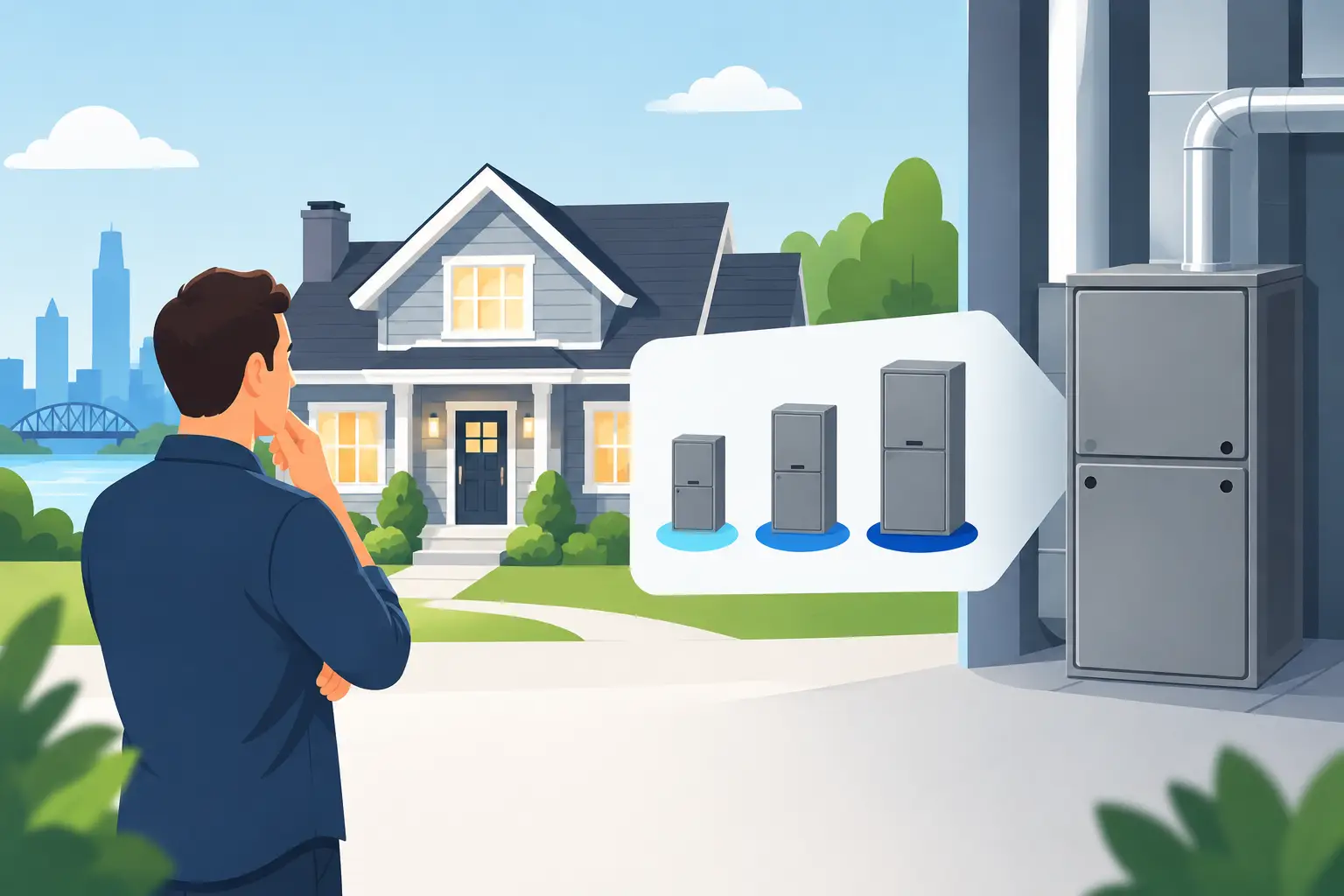
A furnace that cannot keep up during an Omaha cold snap is stressful. A furnace that is too large can be just as frustrating, even if it seems like more heat should be better. Choosing the right furnace size means finding equipment that can heat your home evenly, efficiently, and safely without constantly starting and stopping.
For homeowners, landlords, and property managers, the goal is not to buy the biggest furnace the budget allows. It is to install a system that fits the building, the ductwork, and the way people actually use the space. That takes more than matching the new unit to the size of the old one.
Why Furnace Size Matters in Nebraska
Furnace capacity is usually measured in BTUs, or British thermal units. The higher the BTU input, the more heat the furnace can produce. But the number on the equipment label does not tell the full story. A 100,000-BTU furnace with 80% efficiency delivers about 80,000 BTUs of usable heat. A 100,000-BTU furnace with 96% efficiency delivers roughly 96,000 BTUs.
Omaha winters are not mild enough to leave this to guesswork. A properly sized furnace should maintain a comfortable indoor temperature on the coldest expected days without running nonstop or overheating the home. It also needs to work with the home’s insulation, windows, air leaks, layout, and duct system.
An undersized furnace may run for long stretches and still leave rooms chilly when temperatures drop. An oversized furnace often heats the thermostat area too quickly, shuts off, then restarts again a short time later. That frequent cycling can waste fuel, create uneven temperatures, add wear to parts, and make the home feel less comfortable.
Choosing the Right Furnace Size Starts With the House
Square footage is useful, but it is only one part of the calculation. Two 2,000-square-foot homes in Omaha can need very different furnace sizes. One may have a finished basement, updated insulation, sealed windows, and modern ductwork. The other may have drafty original windows, an uninsulated attic, high ceilings, and rooms added over the years.
A professional load calculation, often called a Manual J calculation, is the reliable way to size a replacement furnace. It estimates how much heat the building loses during cold weather. Rather than relying on a rule of thumb, the calculation considers the details that affect your actual heating demand.
What a Proper Load Calculation Looks At
A technician should evaluate the home’s square footage, ceiling height, insulation levels, window size and condition, exterior wall exposure, air leakage, and the local winter design temperature. Basement conditions matter, too. A finished and conditioned basement changes the heating load differently than an unfinished basement with exposed walls.
The calculation should also account for the number of occupants, heat-producing appliances, and the home’s layout. Open-concept homes, split-level homes, additions, and rooms over garages can all have comfort challenges that a simple BTU-per-square-foot estimate will miss.
Ductwork belongs in the conversation as well. If the ducts are undersized, leaky, poorly routed, or unable to move enough air, a larger furnace will not solve the problem. It can sometimes make airflow and noise issues worse. A good recommendation looks at the whole system, not just the furnace cabinet.
Why the Old Furnace Size Is Not a Reliable Answer
Many older furnaces were oversized from the day they were installed. In the past, installers often added extra capacity as a cushion against cold weather. That approach was common, but it can lead to short cycling and higher operating costs.
Your home may also be different now than it was when the current furnace was installed. New windows, attic insulation, siding, weatherstripping, a remodeled basement, or an addition can all change the heating load. Even replacing an older furnace with a high-efficiency model changes the usable output calculation.
That is why “replace it with the same size” is not always the right recommendation. The existing equipment may have been oversized, undersized, or selected before upgrades were made. A local HVAC technician should verify the load before recommending a new unit.
The Problems With an Oversized Furnace
Oversizing is one of the most common mistakes in furnace replacement. It is understandable to want extra heating power before a Nebraska winter, but extra capacity does not automatically mean extra comfort.
An oversized furnace heats air quickly and reaches the thermostat setting before heat has time to circulate through the home. Bedrooms, upstairs areas, and rooms farthest from the furnace may stay cooler than the main living area. The equipment then turns off and on repeatedly instead of operating in longer, steadier cycles.
Short cycling can increase wear on ignition components, blower motors, and other moving parts. It may also cause more noticeable temperature swings and louder operation. If humidity control is part of your overall comfort plan, frequent cycling can complicate that as well.
There is also the upfront cost. Larger equipment generally costs more, and paying for capacity you do not need does not improve the result.
The Risks of an Undersized Furnace
A furnace that is too small can struggle when outdoor temperatures fall hard. It may run nearly continuously, raising utility bills while leaving the home below the thermostat setting. In a rental property, that can lead to tenant complaints and urgent service calls when the weather is at its worst.
Still, a furnace does not need to be sized to handle every once-in-a-decade extreme with a large margin. Proper sizing is based on realistic local design conditions, not panic-sizing for the single coldest night anyone remembers. During exceptionally severe weather, any system may run longer than usual. What matters is whether it can safely and reliably maintain comfort under normal design conditions.
Efficiency Does Not Replace Proper Sizing
A high-efficiency furnace can reduce fuel waste, but it still must be sized correctly. AFUE ratings tell you how efficiently a furnace converts fuel into heat over a season. They do not tell you how much heating capacity your home requires.
For example, an 80% AFUE furnace and a 96% AFUE furnace with the same input BTU rating do not provide the same amount of heat to the home. The high-efficiency model has more usable output. This is one reason furnace comparisons can get confusing when homeowners are looking only at the BTU number printed on a proposal.
The right choice depends on your budget, existing venting, installation requirements, expected time in the home, and comfort goals. A straightforward contractor should explain those trade-offs clearly, including the total installed cost, not pressure you into the highest-priced option.
Questions to Ask Before Approving a Furnace Replacement
Before moving forward, ask how the furnace size was determined and whether the recommendation is based on a load calculation. Ask for both the furnace input and its output capacity, especially when comparing efficiency levels.
It is also reasonable to ask whether your existing ductwork can support the recommended airflow. If certain rooms have always been too hot or too cold, bring that up before installation day. A new furnace is the right time to identify duct, thermostat, zoning, or insulation issues that may be affecting comfort.
For landlords and property managers, ask about equipment access, tenant scheduling, warranty details, filter requirements, and maintenance needs. The right system is not only one that heats the property well. It should also be practical to maintain and dependable during the season when tenants need it most.
Get a Recommendation Built Around Your Home
At Midlands Heating & Air, furnace recommendations are based on the home and the problem at hand, not on pushing the largest system available. A licensed Omaha technician can assess the heating load, inspect the existing setup, explain the available options, and provide upfront pricing without high-pressure sales tactics.
If your furnace is aging, running constantly, short cycling, or leaving parts of the home cold, do not wait for a deep freeze to find out it is no longer keeping up. A careful sizing conversation now can help you avoid an emergency replacement later and give your household a warmer, steadier winter.
RELAX! We offer flexible financing options!
