Furnace Repair Signs You Should Not Ignore
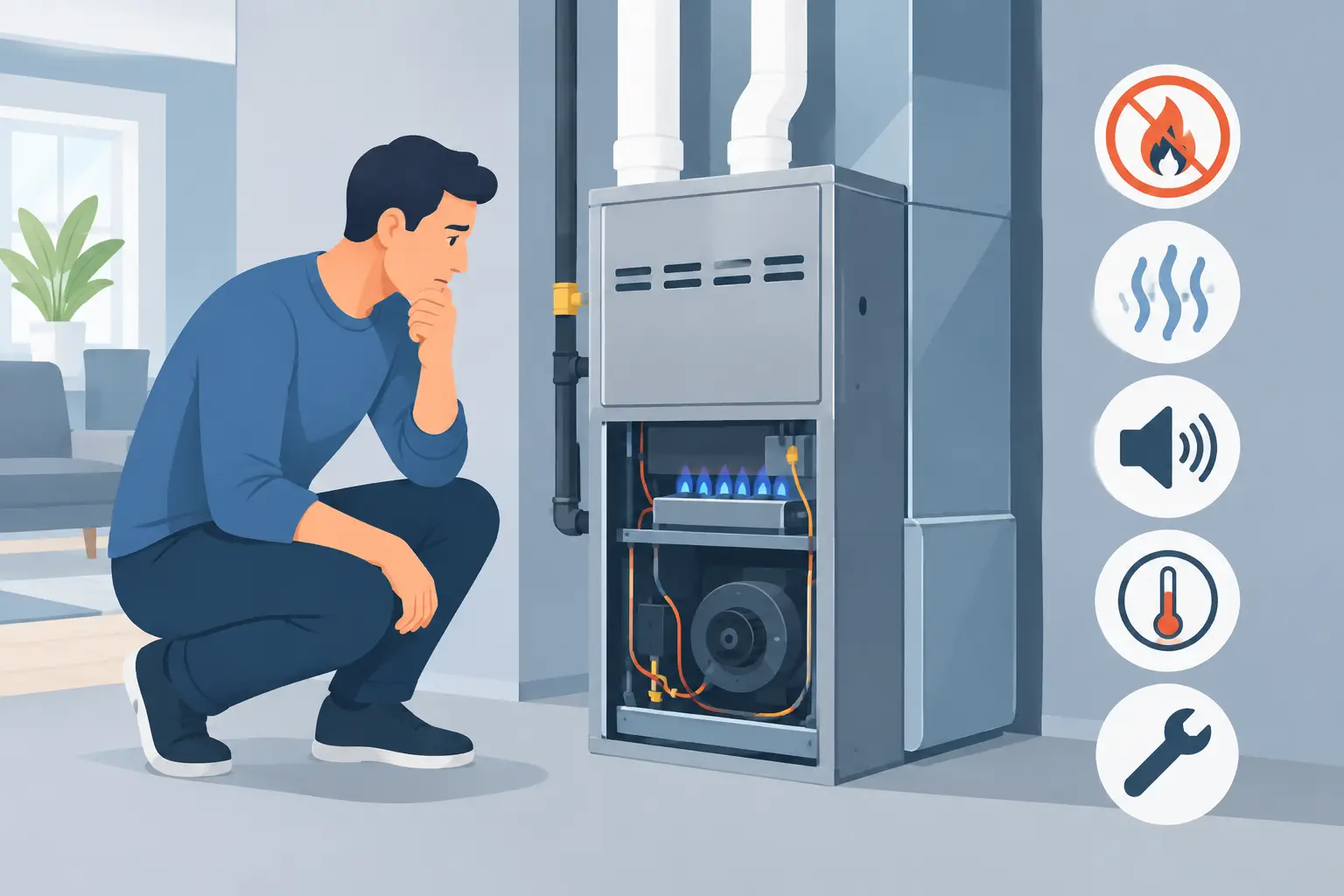
A furnace rarely chooses a convenient time to fail. In Omaha, a system that starts blowing cold air, making a sharp new noise, or cycling on and off during a deep freeze needs attention fast. Prompt furnace repair can protect your family’s comfort, prevent a smaller mechanical issue from becoming an expensive breakdown, and help keep a safety concern from being overlooked.
Some heating problems are obvious. Others start quietly: a room that never gets warm, utility bills that rise for no clear reason, or a furnace that needs more time to heat the house than it used to. Knowing the difference between a simple issue and a reason to call a licensed technician can make a stressful situation much easier to manage.
Signs Your Furnace Needs Repair
A furnace does not have to stop completely before it needs service. Paying attention to changes in performance gives you a better chance to address the immediate problem before the coldest night of the season.
Cold air or uneven heat
If the thermostat is set to heat but the vents are blowing cool air, turn the thermostat setting to off and check the filter. A severely clogged filter can restrict airflow and cause overheating or limit performance. If the filter is clean and the furnace still will not produce warm air, the issue could involve the ignition system, flame sensor, blower, control board, or another component that requires diagnosis.
Uneven temperatures deserve attention, too. One cold bedroom does not automatically mean the furnace is failing. It may be related to duct layout, insulation, closed vents, or a thermostat location. But if several areas of the home are colder than usual, or the system cannot maintain the temperature you set, a professional evaluation is a practical next step.
Strange noises that were not there before
Furnaces make some normal operating sounds, including the low hum of the blower and the click of a thermostat calling for heat. What should not be ignored are banging, grinding, squealing, rattling, booming, or repeated clicking noises.
A squeal may point to a blower motor or belt issue. Grinding can indicate worn motor bearings. Rattling may be as minor as a loose panel, but it can also signal a loose internal part. A loud boom at startup can be associated with delayed ignition, which should be checked promptly. The sound alone does not provide a full diagnosis, but it tells you the system needs a closer look.
Short cycling or frequent restarts
Short cycling happens when a furnace turns on, runs briefly, shuts off, and then starts again soon after. This wastes energy and puts extra wear on components. A dirty filter, blocked airflow, thermostat problem, overheating condition, or an improperly sized system can all contribute.
Resetting the furnace repeatedly is not a repair. If it trips again after you have checked the filter and thermostat settings, leave it off and call for service. Repeated restarts can make a developing problem worse.
Higher bills without a weather-related reason
Nebraska winters demand more from a heating system, so an increase in energy use during a cold stretch is expected. A sudden jump that does not match the weather, however, can point to declining furnace efficiency, poor airflow, a malfunctioning component, or duct leakage.
The right answer depends on the age and condition of the equipment. A repair may restore normal operation. If the system is older and needs repeated work, it may be time to discuss whether repair or replacement makes better financial sense. A trustworthy technician should explain both options without pressure.
When Furnace Problems Become a Safety Issue
Comfort matters, but safety comes first. Furnaces that burn natural gas create combustion gases that must be vented properly. Any concern involving gas, burning odors, or carbon monoxide needs immediate attention.
Turn off the furnace, leave the building, and call your gas utility or emergency services if you smell gas. Do not turn lights on or off, use electrical switches, light a match, or start a vehicle near the suspected leak. If a carbon monoxide alarm sounds, get everyone outside into fresh air and call 911. Carbon monoxide has no color or smell, which is why working alarms near sleeping areas and on every level of the home are essential.
A burning dust smell during the first heating cycle of the season can be normal and should clear fairly quickly. A persistent burning odor, visible smoke, scorch marks, or an electrical smell is different. Shut the system down and arrange professional service.
What You Can Check Before Calling for Furnace Repair
There are a few safe checks that can save time and sometimes solve a simple problem. Confirm the thermostat is set to heat and that its temperature setting is above the current room temperature. Check batteries if the thermostat screen is blank or unresponsive.
Then look at the furnace filter. If it is visibly loaded with dust or has not been changed according to the manufacturer’s recommended schedule, replace it with the correct size and type. Check that supply vents and return grilles are open and not blocked by furniture, rugs, boxes, or drapes. Finally, verify that the furnace switch is on and the circuit breaker has not tripped.
Do not remove burner covers, bypass safety switches, alter gas connections, or keep resetting a furnace that is shutting itself down. Modern furnaces use safety controls for a reason. A licensed technician can test the system, identify the actual cause, and confirm it is operating safely before it goes back into service.
What a Professional Furnace Repair Visit Should Look Like
A good repair call starts with listening. The technician should ask what you have noticed, when the issue began, whether the furnace has displayed an error code, and whether there have been changes in your home such as remodeling, thermostat replacement, or airflow restrictions.
From there, the system should be diagnosed rather than guessed at. That may include checking ignition and flame operation, electrical connections, safety switches, blower performance, filter condition, venting, condensate drainage on high-efficiency furnaces, and thermostat communication. The exact process depends on the furnace type and the symptom.
Once the cause is identified, you should receive a clear explanation of the problem and upfront pricing before the repair begins. Not every issue requires a major repair. A worn igniter, dirty flame sensor, failed capacitor, clogged drain, or loose electrical connection can often be addressed without replacing the furnace. On the other hand, a cracked heat exchanger, major blower failure, or repeated breakdown on an aging system deserves a more detailed conversation.
For Omaha homeowners, landlords, and small-business operators, clear communication is especially valuable when heat is out. You need to know what failed, what can be fixed today, what the repair costs, and whether there is a reasonable backup option if a part is unavailable. Midlands Heating & Air approaches those conversations with straightforward recommendations and zero-pressure sales tactics.
Repair or Replace? The Answer Depends
There is no single age at which every furnace should be replaced. Many well-maintained furnaces run reliably for 15 to 20 years, while neglected systems may have significant problems sooner. The decision should account for repair cost, the furnace’s age, its maintenance history, energy performance, and the likelihood of another major repair.
Repair is often sensible when the furnace is relatively young, the issue is isolated, and the system has otherwise been dependable. Replacement may be worth considering when repair costs are high, parts are difficult to obtain, the furnace has chronic failures, or a safety-related component such as the heat exchanger is compromised.
Efficiency is part of the decision, but it should not be used as a scare tactic. A newer furnace can reduce energy use, particularly when replacing a much older unit, but the savings vary by home, equipment selection, insulation, duct condition, and how the system is installed. Ask for options that fit your property and budget, not a one-size-fits-all recommendation.
Preventing a Midwinter Breakdown
Annual furnace maintenance is one of the simplest ways to reduce surprise failures. A seasonal visit gives a technician an opportunity to inspect safety controls, clean relevant components, test operation, and spot wear before the system is working nonstop in January.
Between visits, replace filters regularly, keep return vents clear, and avoid storing items near the furnace. Property owners should also make sure tenants know where the thermostat is, how to recognize a carbon monoxide alarm, and whom to contact if heat goes out. Fast reporting prevents minor issues from becoming after-hours emergencies.
If your furnace is acting differently, trust that change rather than waiting for a complete shutdown. A timely service call can restore heat, protect the equipment you already own, and give you a clear answer before Nebraska weather makes the decision for you.
RELAX! We offer flexible financing options!
