
Who Pays HVAC Repairs? Omaha Homeowner Guide
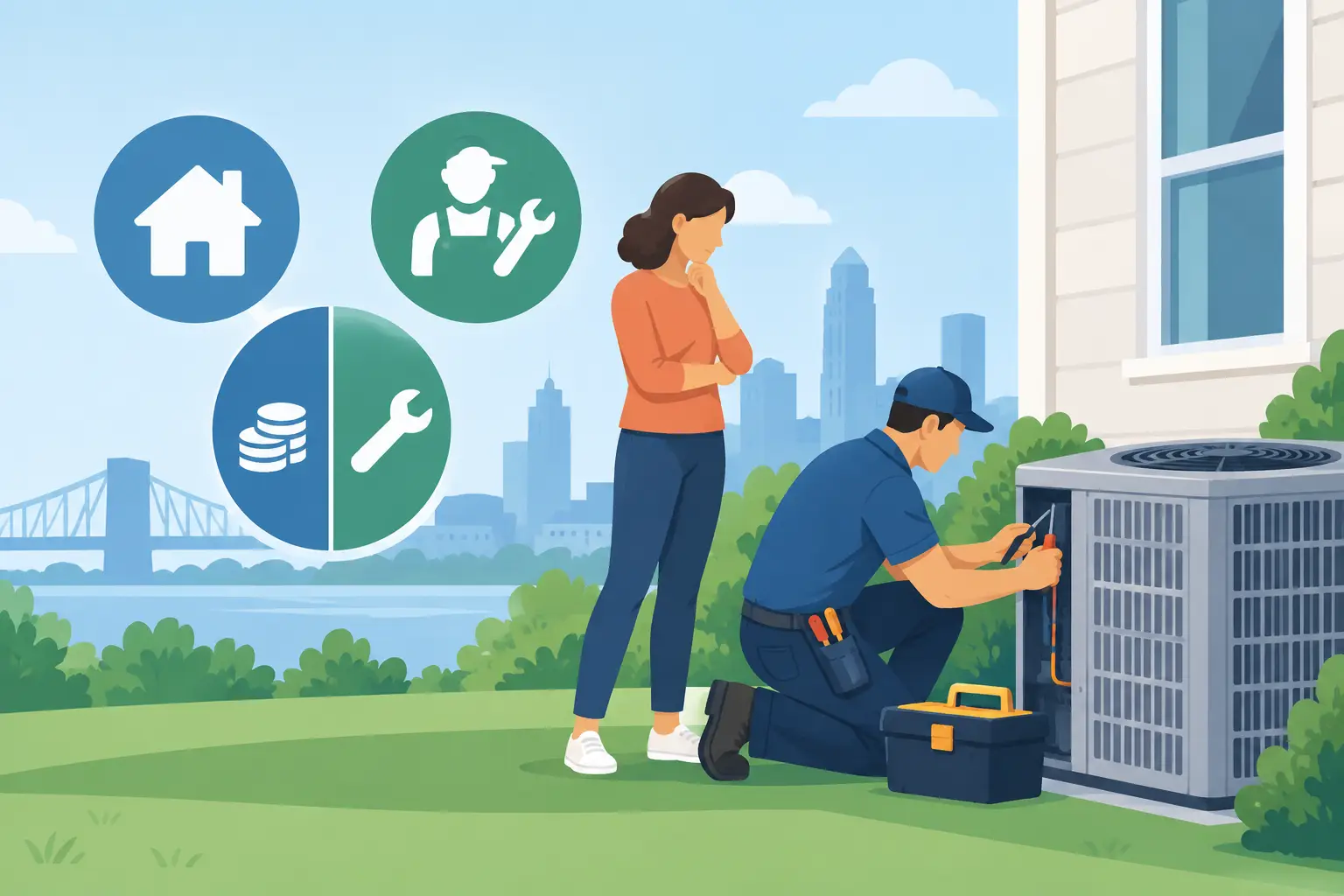
A furnace quits on a January night, or the AC stops blowing cold air during an Omaha heat wave. The first question is usually practical: who pays HVAC repairs? The answer depends on who owns the property, what caused the failure, and what the lease or service agreement says. Getting that answer right can prevent an uncomfortable dispute when comfort needs to be restored fast.
Who Pays HVAC Repairs in an Owner-Occupied Home?
For a home you own and live in, the homeowner generally pays for HVAC repairs. That includes a failed igniter, worn blower motor, refrigerant leak, damaged capacitor, thermostat problem, or a system that has simply reached the end of its useful life.
Home warranties, manufacturer warranties, and homeowners insurance can change the out-of-pocket cost, but they do not automatically make every repair free. A manufacturer parts warranty may cover a failed part while leaving labor to the homeowner. A home warranty may have a service fee, coverage limits, exclusions, or approval requirements. Homeowners insurance is more likely to help after a covered event, such as storm damage or a fire, than with ordinary wear and tear.
Before approving a major repair, ask for a clear diagnosis and upfront price. A good technician should explain what failed, whether the repair solves the immediate issue, and whether the system’s age or condition makes replacement worth considering. There is no reason to replace working equipment just because it is older, but repeated breakdowns can make a repair-first approach more expensive over time.
Rental Properties: Landlord or Tenant?
In most rental situations, the landlord is responsible for repairing and maintaining the furnace, central air conditioner, heat pump, or other HVAC equipment they provide with the property. Heating is especially important because a nonworking furnace can quickly become a safety issue during Nebraska winter weather.
A landlord’s responsibility usually covers normal equipment failure and routine wear. If a 12-year-old furnace develops a bad control board, that is generally an owner expense. The same is true when an air conditioner loses a capacitor after years of use or a heat pump needs a normal repair.
Tenants may be responsible when their actions caused the problem. Examples can include damage from an unauthorized alteration, blocked vents or returns, failure to report a small issue that becomes a larger one, or an HVAC filter left unchanged despite a clear lease requirement. Even then, responsibility should be handled carefully. A tenant should not be billed simply because a system failed while they were living in the home. The cause matters.
The lease is the first place to look. It should spell out who changes filters, who handles thermostat batteries, how tenants report problems, and whether the owner or manager must approve a contractor. Clear language avoids confusion. It also helps prevent a tenant from waiting until a minor furnace noise turns into a no-heat emergency.
What tenants should do when the system fails
Tenants should report the problem promptly and in writing, following the contact instructions in their lease. Include useful details: whether the unit has stopped completely, any error code on the thermostat or equipment, unusual sounds or odors, and whether there is water around the system.
Do not try to repair electrical or gas-fired equipment yourself. Do not remove furnace panels, reset breakers repeatedly, or keep running equipment that smells like burning. If there is a gas smell, leave the area and contact the gas utility or emergency services as appropriate before calling for HVAC help.
Unless the lease allows it or the landlord authorizes it, tenants should not hire a contractor and assume reimbursement will follow. Emergency situations can be different, but documentation and communication still matter. Calling the property owner or manager right away protects everyone.
What landlords and property managers should do
For landlords, fast communication is part of the repair. Let the tenant know the service request was received, when a technician is expected, and what they should do while waiting. In a no-heat or no-cooling situation, especially during extreme temperatures, delays can create a much bigger problem than the repair itself.
Property owners should also keep service records. Notes on maintenance visits, filter changes, repair history, equipment age, and warranty information make it easier to make fair decisions. If the same system needs several expensive repairs in a short period, replacement may be the more predictable choice for both the owner and the tenant.
When a Tenant Might Pay for HVAC Repairs
A tenant can be financially responsible for an HVAC repair when there is evidence that their negligence or misuse caused the damage. That is different from normal use. A furnace does not become the tenant’s problem merely because it failed during the lease.
Common situations may include physical damage to outdoor equipment, deliberately disabling safety controls, using an incorrect filter that causes airflow problems, or failing to report a known leak or warning sign when the lease requires prompt notice. The exact facts matter, and so does local law. Landlords should avoid making assumptions before a technician identifies the cause.
For both sides, the fairest process is simple: document the complaint, inspect the equipment, identify the repair needed, and compare the finding with the lease. A written diagnosis is far better than an argument based on guesswork.
Commercial Leases Can Shift the Cost
Small-business owners renting an office, shop, or other commercial space may have a different arrangement than residential tenants. Commercial leases often place more maintenance responsibility on the tenant, particularly in a triple-net lease. The business may be responsible for HVAC service, repairs, filters, or even replacement contributions, depending on the lease terms.
That does not mean every commercial tenant automatically pays. Some leases make the property owner responsible for major equipment repairs while the tenant handles regular maintenance. Others divide responsibility by component, age, dollar amount, or whether the unit serves only one suite.
Before scheduling a costly repair, review the maintenance and repair section of the lease. Check whether the landlord must approve the contractor, whether a service contract is already in place, and whether the repair is considered capital equipment work. A quick review can prevent a business from paying for work that belongs to the building owner – or delaying work that the lease clearly assigns to the tenant.
Maintenance Helps Avoid the Argument
The least stressful answer to who pays HVAC repairs is to avoid unnecessary repairs in the first place. Planned maintenance cannot prevent every breakdown, but it catches many problems before they become an emergency.
For homeowners, regular maintenance can help protect efficiency, reduce strain on parts, and give you a better picture of how much life remains in the equipment. For rental owners, it creates a record that the property has been cared for and helps limit surprise no-heat calls. For tenants, changing filters when required and reporting concerns early can prevent avoidable damage.
A seasonal visit typically gives a technician the chance to inspect electrical connections, safeties, airflow, drain lines, moving parts, and overall system operation. It is also a good time to ask whether a repair is likely to hold up through another Omaha summer or winter.
A Clear Answer Starts With a Clear Diagnosis
When the heat or AC is out, responsibility should not slow down a safe repair. Homeowners should get the facts before choosing repair or replacement. Landlords and tenants should follow the lease, communicate quickly, and avoid assigning blame before the equipment is inspected. Commercial tenants should check their lease before authorizing major work.
Midlands Heating & Air helps Omaha homeowners, landlords, and property managers identify the immediate problem with straightforward diagnostics and upfront pricing. The goal is not to sell more than you need. It is to get the system operating safely and give you clear information for the next decision.
RELAX! We offer flexible financing options!
